


Rosemary drooping: what to check
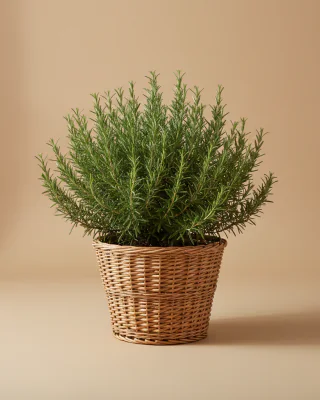
Rosmarinus officinalis
Quick answer
Drooping rosemary needs a pot and room check before more water. If the mix is dry and roots are firm, water and drain it. If wet or cold, fix drainage and placement.
 Not sure it’s this plant?Check yours with a photo, free
Pet-safe
Is the plant leaning or limp?
Record whether rosemary’s soft shoots and foliage are hanging, whether the leaves are dull or dry, and whether the whole potted plant has collapsed or only new growth is affected.
Check the potting mix below the surface, pot drainage, recent watering, root firmness or smell, window light, indoor temperature, radiator or cold-draft exposure, and whether the plant recently moved indoors or outdoors.
Possible causes and next checks
Drooping can follow a dry container, waterlogged or cold roots, poor drainage, insufficient indoor light, hot dry air, a sudden move, or pests. Rosemary is especially sensitive to persistently wet soil.
If the container is genuinely dry and roots are firm, water it and let it drain. If the potting mix is wet or cold, improve drainage and placement before watering again. Give an indoor plant the brightest available light and avoid hot radiators or cold drafts.
What to watch next
After one matched change, recheck the potting mix, root condition, newest shoots, and posture. Continuing collapse, soft roots, or fresh pest signs call for a closer inspection.
What drooping cannot tell you
Drooping alone cannot separate drought, wet roots, low indoor light, temperature stress, pests, or a recent move. Outdoor routines do not translate into a fixed indoor schedule. The accepted botanical name of Rosmarinus officinalis is now Salvia rosmarinus.
All rosemary guides
Keep reading
Related plants
Last reviewed: