


Rosemary varieties by habit and hardiness
Rosmarinus officinalis

Quick answer
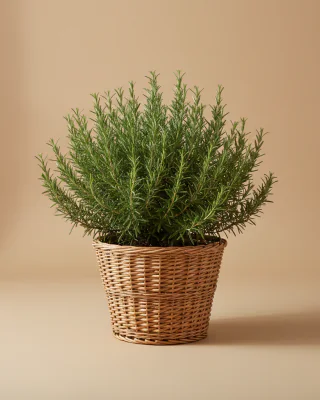
Choose rosemary by shape first: upright, mounding, or trailing. Then compare flower color, aroma, and winter hardiness.
 Not sure it’s this plant?Check yours with a photo, free
Pet-safe
Rosemary varieties by habit and hardiness
- 01
Plant names and labels
Salvia rosmarinus is the accepted name, and Rosmarinus officinalis is the older name for the same plant. It is not a separate species.
The practical groups are upright, semi-trailing or mounding, and prostrate or trailing rosemary, with additional selection for flower color, aroma, and cold hardiness. These are horticultural decisions, not formal taxonomic categories.
- 02
How the varieties differ
Miss Jessopp’s Upright is vigorous and vertical, Capri is low and trailing, Foxtail is semi-trailing, and Rosea or Lady in White are flower-color selections. Arp is upright and relatively cold hardy, Gorizia is tall and upright with larger leaves, and Huntington Carpet or Blue Rain are trailing forms.
- 03
Care differences
Habit changes the pot, display, and pruning decision, while hardiness changes whether outdoor overwintering is plausible. There is no cultivar-specific indoor watering or feeding recipe.
All rosemary guides
Sources4 references
- Royal Botanic Gardens, Kew: Plants of the World OnlineTaxonomy · accepted name · included synonym · native range · cultivation · Name status · synonymy to Salvia rosmarinus
- Royal Horticultural SocietyGetting started · Sun · warmth · free-draining soil · containers · winter protection · Synonyms · Position · Growing Conditions · Pests · Diseases
- University of Maryland Extension / Ask ExtensionExpert Response · indoor rosemary guidance
- Iowa State University Extension and OutreachBest Herbs for Indoors · The Best Growing Conditions for Indoor Herbs
Last reviewed: