


Rosemary pests and spots
Rosmarinus officinalis

Quick answer
Check both leaf surfaces, stems, and the root zone before treating. Rosmarinus officinalis can show pest or spot problems that depend on whether the plant is indoors or outdoors.
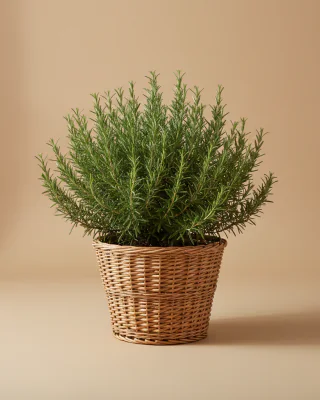
 Not sure it’s this plant?Check yours with a photo, free
Pet-safe
Look for pests or spreading spots
Record stippling or bronzing, webbing, sticky residue, scale-like bumps, powdery growth, discrete spots, browning, or leaf drop on Rosmarinus officinalis. Note whether damage is on new or older growth.
Inspect leaf undersides and stems for spider mites, scale, leafhoppers, or beetle damage. Check root-zone condition, drainage, airflow, indoor humidity, recent moves, and whether the plant is in an outdoor container.
What the signs may mean
Spots or pest damage can follow spider mites in dry indoor air. Outdoors, consider rosemary beetle, leafhopper, scale, and tortrix. Other possibilities include powdery mildew, root rots, and overwatering-related browning or leaf drop.
If insects are visible, isolate the pot and inspect the whole plant. Correct a persistently wet root zone, improve airflow and light, and use only a treatment labeled for the plant and setting. Remove badly damaged material only when it is clearly dead or infested.
What to check again
Recheck both leaf surfaces, stems, root-zone condition, and new growth after the environment has been stable. Compare whether fresh damage is still appearing instead of expecting marked leaves to turn normal.
What visible signs cannot tell you
Rosmarinus officinalis is an older name for Salvia rosmarinus. Causes and pests differ between indoor potted and outdoor plants, so do not apply an outdoor beetle or mildew list without matching visible signs and setting. Not every indoor spot can be told apart by eye.
All rosemary guides
Keep reading
Related plants

Last reviewed: