


How to propagate rosemary
Rosmarinus officinalis

Quick answer
Take a healthy, green, non-flowering rosemary tip below a node. Root it in draining medium and keep the cutting sheltered while roots form.
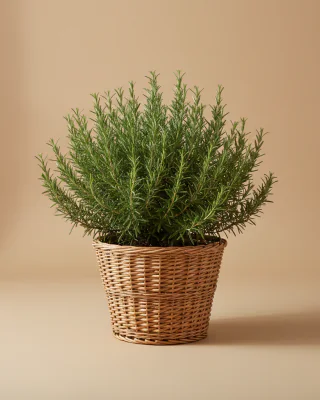
 Not sure it’s this plant?Check yours with a photo, free
Pet-safe
What plant material to use
Use healthy, green, flexible, non-flowering tip cuttings from an established plant, generally about 8–20 cm (3–8 in) long. Cut below a node and avoid older woody stems.
How to propagate this plant
Wear gloves before cutting or dividing if you have sensitive skin. Rosemary can cause a skin allergy. Wash your hands after handling.
Root stem cuttings in a clean, well-drained soilless or perlite-based medium. A water method is also described, but leaves must stay above the water.
Keep the cutting in a bright but sheltered location away from full sun and strong wind, with the medium lightly damp but not saturated. A clear bag can hold humidity while roots form.
Prepare a draining pot and medium, select a non-flowering green tip, cut below a node, strip the lower leaves, insert the stem, close a clear humidity cover, check moisture every few days, and transplant after a strong root system develops.
Signs of roots or failure
Roots usually form in about 4–6 weeks. A strong root system and new growth are the signs to move the cutting into its own pot.
A cutting that dries out, or still has no strong roots after about six weeks, is not ready for transplant. Not every cutting will root.
Aftercare and hygiene
Once roots are strong, transplant each cutting into a well-draining pot. Later you can keep it in a pot or move it to a sunny spot outdoors.
Use a clean draining pot and sanitize the cutting tool before taking young stems.
All rosemary guides
Related plants



Sources: RHS.
Last reviewed: