


Is amaryllis toxic to cats and dogs?

Quick answer
Toxic to cats and dogs. Amaryllis contains lycorine and other alkaloids, plus oxalate crystals that are concentrated in the bulb.
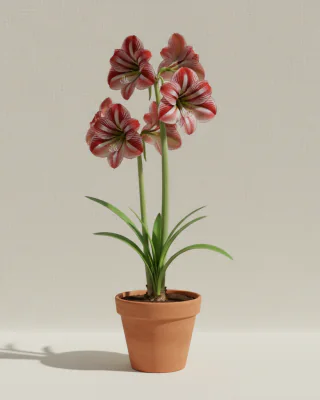
 Not sure it’s this plant?Check yours with a photo, free
Amaryllis Hippeastrum hybrids
Amaryllis is not a true lily, so it does not cause the kidney failure that Lilium lilies cause in cats. Its risk comes from alkaloids, plus oxalate crystals that are most concentrated in the bulb.
What to do if your pet ate it
If your cat or dog chewed an amaryllis, especially the bulb, call your vet now, even if your pet seems fine.
- Remove the plant from the pet’s reach.
- Call your vet or an emergency animal clinic immediately.
- When you call, have the plant’s name or a photo ready. Tell the vet roughly how much your pet ate and when.
Do not induce vomiting unless a vet specifically instructs you to. It can make some poisonings worse.
Symptoms
Possible signs include:
- Drooling
- Vomiting
- Diarrhea
- Belly pain
- Not eating
- Tiredness or low mood
- Tremors
- With large amounts: low blood pressure, seizures, slow breathing
Non-toxic plants for similar light
 Donkey’s tailSedum morganianumBright / direct lightPet-safe
 Ponytail palmBeaucarnea recurvataBright / direct lightPet-safe
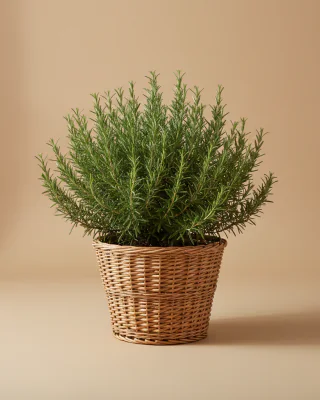 RosemaryRosmarinus officinalisBright / direct lightPet-safe
 Indoor bananaMusa acuminataBright / direct lightPet-safe
See all pet-safe alternatives →
The ASPCA amaryllis record lists amaryllis as toxic to dogs, cats and horses, names lycorine and other toxins and lists vomiting, depression, diarrhea, abdominal pain, hypersalivation, anorexia and tremors. Pet Poison Helpline names phenanthridine alkaloids in the leaves, stems and bulbs, oxalate crystals concentrated in the bulbs, and dose-dependent signs including low blood pressure, seizures and respiratory depression. This is reference information, not veterinary advice. ASPCA’s record covers Amaryllis spp., a related plant, not this exact species. Sources: FDA: Lilies and cats.
All amaryllis guides
Related plants

Common questions
Is amaryllis poisonous to cats?
Yes. It can cause drooling, vomiting, diarrhea, belly pain and, with larger amounts, tremors. Call your vet straight away if your cat chewed any part.
Is amaryllis poisonous to dogs?
Yes. Dogs that eat it can drool, vomit and get diarrhea. A chewed bulb can cause tremors, seizures and low blood pressure. Call your vet straight away.
Which part of the amaryllis is most toxic?
The bulb. It holds the most alkaloids and oxalate crystals. Store bulbs during their autumn rest where pets cannot reach them.
What should I do if my cat ate an amaryllis?
Take the plant away, remove any pieces from your cat’s mouth and call your vet. Say which part and roughly how much. Do not make your cat vomit unless the vet tells you to.
What should I do if my dog ate an amaryllis bulb?
Call your vet now, even if your dog seems fine, and say it was the bulb and roughly how much. Go straight to a vet if your dog trembles, has a seizure or collapses.
Is a waxed amaryllis bulb toxic too?
Yes. The wax does not change the bulb inside, which is the most toxic part. Keep waxed bulbs out of reach like any other.
Can I keep an amaryllis in a home with pets?
Only where your cat or dog cannot reach it, including stored bulbs. If your pet chews plants, a pet-safe flowering plant is the safer choice.
ASPCA reference · Last reviewed: