



Best soil for spider plant
Chlorophytum comosum
Quick answer
Keep it from turning acidic: University of Florida research found that raising the mix to pH 6.5 to 7.0 reduced fluoride brown tips. Repot into a slightly larger pot when the fleshy roots fill the old one.
- Pet safetyPet-safe (non-toxic)




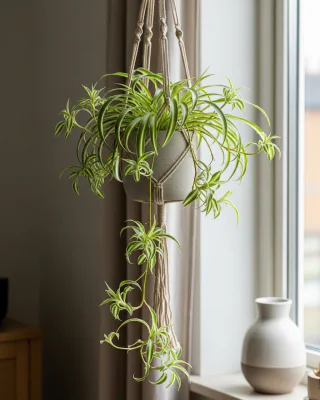
Best soil for spider plant
- 1
The best soil for spider plants
Spider plants are not fussy. The RHS uses peat-free multipurpose or houseplant compost.
More about this
The best soil for spider plant is a regular, well-drained potting mix, the general-purpose kind Clemson and Wisconsin Extension name.
Clemson recommends a general-purpose potting soil with good drainage, Wisconsin Extension says a general-purpose potting soil or a soilless medium works, and University of Illinois Extension simply says regular potting mix.
University of Florida researchers Poole and Conover found that the plant grows in many types of mixes but prefers an open, well-aerated one. NC State lists loam soil with good drainage and says the plant grows best in moist soil.
- 2
Spider plant potting mix recipe
For most homes a bagged general-purpose potting mix with good drainage is enough, as Clemson says. If you want to mix your own, University of Florida researchers Poole and Conover grew spider plants in this mix, measured by volume: 2 parts peat, 1 part pine bark and 1 part cypress shavings.
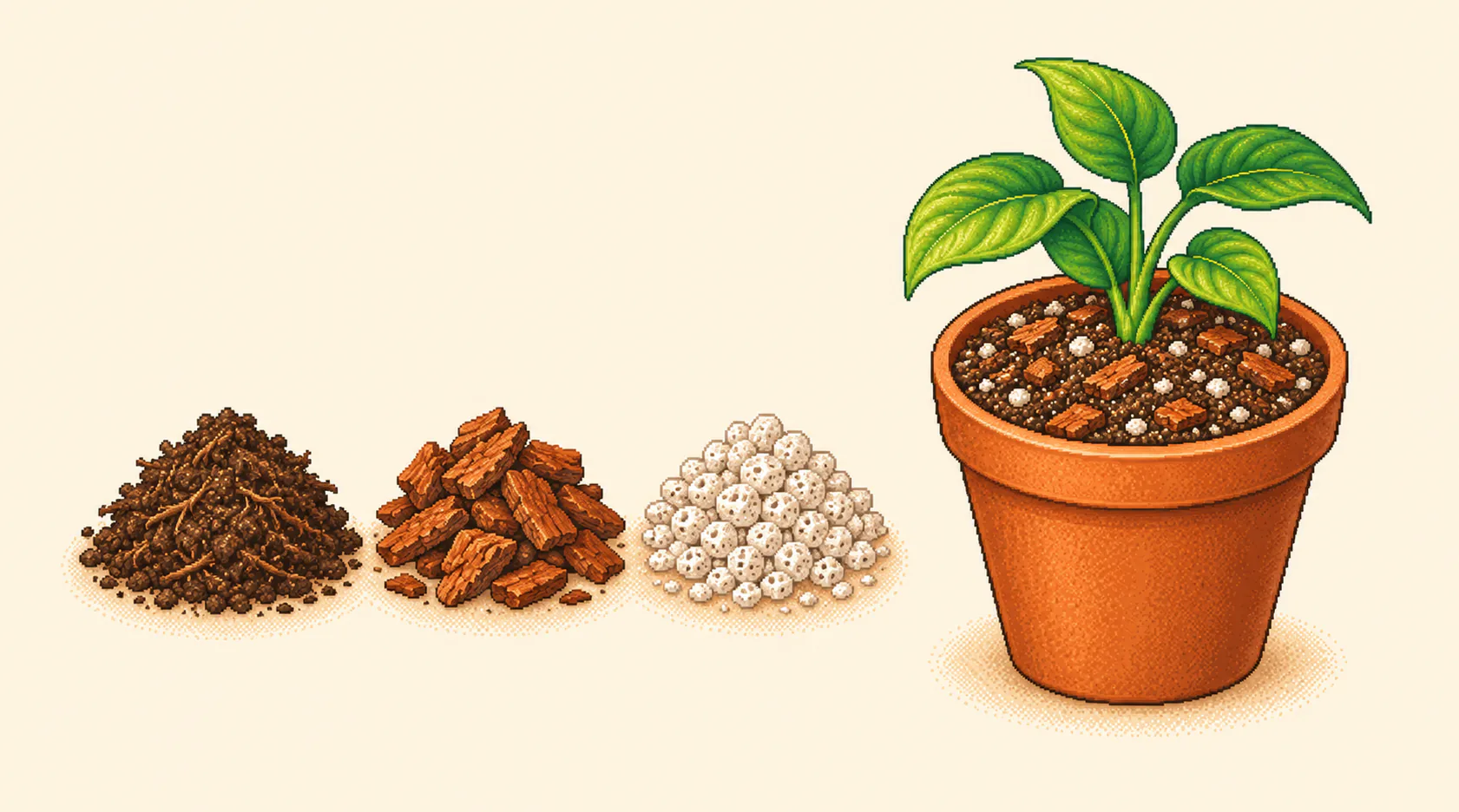
More about this
Where brown tips are a problem, they add dolomite lime at about 1/4 cup per cubic foot of mix (5 to 10 lb per cubic yard). In their trial, plants in the mix with the higher rate had the fewest burned tips. Leave out fertilizers that contain superphosphate, which they found contains about 1.5% fluoride and caused the most tip burn.
- 3
Do spider plants like acidic soil?
Not when it comes to their leaf tips. Poole and Conover found that as the mix became more acidic, tip burn increased.
More about this
Fluoride in the potting soil or in the water causes the burned tips, and they recommend raising the soil pH to 6.5 to 7.0 with a liming material to reduce it.
It was the change in pH, not the extra calcium, that made the difference in their trial. NC State gives the plant’s soil pH range as 6.0 to 8.0.
- 4
Brown tips: water, salts and fertilizer
Soil is only part of the story. Wisconsin Extension recommends distilled water or rainwater.
More about this
NC State says chlorine and fluoride in tap water can burn the leaf tips, and the RHS suggests rainwater or filtered water.
Clemson adds too much fertilizer and water high in soluble salts as causes, and Wisconsin names salt buildup in the mix. Wisconsin says feeding every 3 to 4 months is usually enough, or more often at half strength. The RHS also lists too much or too little water, bright sun and very dry air.
- 5
Drainage and watering
Spider plants dislike waterlogged roots, says the RHS, so empty any water left in the saucer after watering. Clemson warns that soil that drains slowly contributes to root rot.
More about this
Let the soil dry slightly between thorough waterings, as Wisconsin Extension and Clemson advise. The RHS keeps the compost just lightly moist to the touch and waters slightly less in winter.
- 6
Choosing a pot
Move up to a slightly larger pot each time, as the RHS advises, since an overly large pot can discourage flowering.
Wisconsin Extension says spider plants grow and make plantlets best when slightly pot bound, and they suit hanging containers well.
- 7
Signs your spider plant needs repotting
The thick, fleshy roots fill a pot quickly. A plant you just bought can usually stay in its pot for its first year.
More about this
The RHS repots when the plant is pot-bound and growth slows, every year or two, and every few years once it is established. Clemson says to divide and repot before the roots crack the container, at any time of year.
University of Illinois Extension lists the general signs: roots growing through the drainage holes or on the soil surface, a soil mass filled with roots, smaller new leaves, and a plant that wilts between normal waterings. Loosen pot-bound roots so they spread into the fresh mix, as the RHS advises, and replant at the same depth. Clemson waits four to six months before feeding a freshly potted plant.


Common questions
What is the best potting mix for spider plants?
A regular, well-drained, general-purpose potting mix, as Clemson and Wisconsin Extension advise. University of Florida researchers grew them in 2 parts peat, 1 part pine bark and 1 part cypress shavings.
Do spider plants like acidic soil?
No. University of Florida research found that tip burn increased as the mix became more acidic, and recommends a pH of 6.5 to 7.0 to reduce fluoride brown tips.
Can I use regular potting soil for a spider plant?
Yes. University of Illinois Extension says to plant in regular potting mix, and Clemson recommends a general-purpose potting soil with good drainage.
Why does my spider plant get brown tips?
Fluoride or chlorine in tap water, salt buildup, too much fertilizer, acidic soil, or too much or too little water. Rainwater or filtered water helps, as the RHS advises.
How often should I repot a spider plant?
Every year or two, says the RHS, and every few years once it is established. Repot when the roots fill the pot and growth slows.
All spider plant guides
Keep reading
Sources7 references
- RHS: How to grow spider plants
- Clemson Cooperative Extension HGIC: Spider plant
- University of Wisconsin–Madison Extension: Spider plant, Chlorophytum comosum
- NC State Extension Plant Toolbox: Chlorophytum comosum
- University of Illinois Extension: Spider plant
- University of Illinois Extension: Repotting houseplants
- Poole and Conover, University of Florida ARC Apopka: Influence of culture on tipburn of spider plant (Proc. Fla. State Hort. Soc. 88, 1975)
- How we check our plant advice
How we check our plant advice → · Last reviewed: