



Ponytail palm light
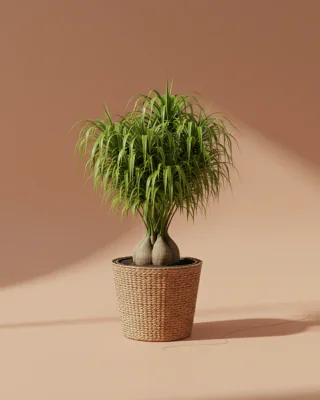
Beaucarnea recurvata
Quick answer
Place Beaucarnea recurvata in the brightest suitable indoor spot, using an east-, south-, or west-facing aspect as a starting point. Protect it from sudden hot glass exposure.
 Not sure it’s this plant?Check yours with a photo, free
Pet-safe
Ponytail palm light
- 01
Best position and light
Give Beaucarnea recurvata full sun outdoors or full light under glass. This is a bright-light plant, not a deep-shade choice.
Choose the brightest suitable indoor or conservatory position, using an east-, south-, or west-facing aspect as the orientation context. Protect the plant from sudden hot glass exposure.
- 02
Seasonal light changes
Use the brightest available indoor position in winter, when daylight is weak, while keeping watering and temperature decisions separate.
- 03
Signs the light may be wrong
Weak, stretched, or sparse growth, a loose rosette, or leaf decline should prompt a light check alongside mix and root checks. Bleached or scorched tissue after a sudden move into hot sun is not a low-light sign.
- 04
Limits of this light guide
No single indoor window position, daily light period, or sun-transition schedule fits every Beaucarnea recurvata container. Keep indoor and outdoor full-sun settings separate.
All ponytail palm guides
Keep reading
Sources3 references
- Royal Botanic Gardens, Kew: Plants of the World OnlineTaxonomy · accepted name · classification
- North Carolina State University Extension Gardener Plant ToolboxSunny window · drought tolerance · watering · soil · winter air · pests · rot and leaf spot
- Royal Horticultural SocietyLight · compost · watering · winter · top-dressing or potting-on · pests
Last reviewed: