



How to propagate ponytail palm
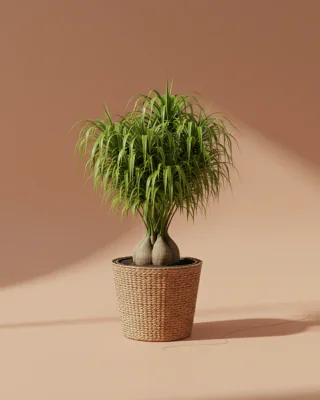
Beaucarnea recurvata
Ponytail palm can make basal offsets. Check for roots before separating a pup, then root it in a sharply draining mix without keeping the base wet.
 Not sure it’s this plant?Check yours with a photo, free
Pet-safe
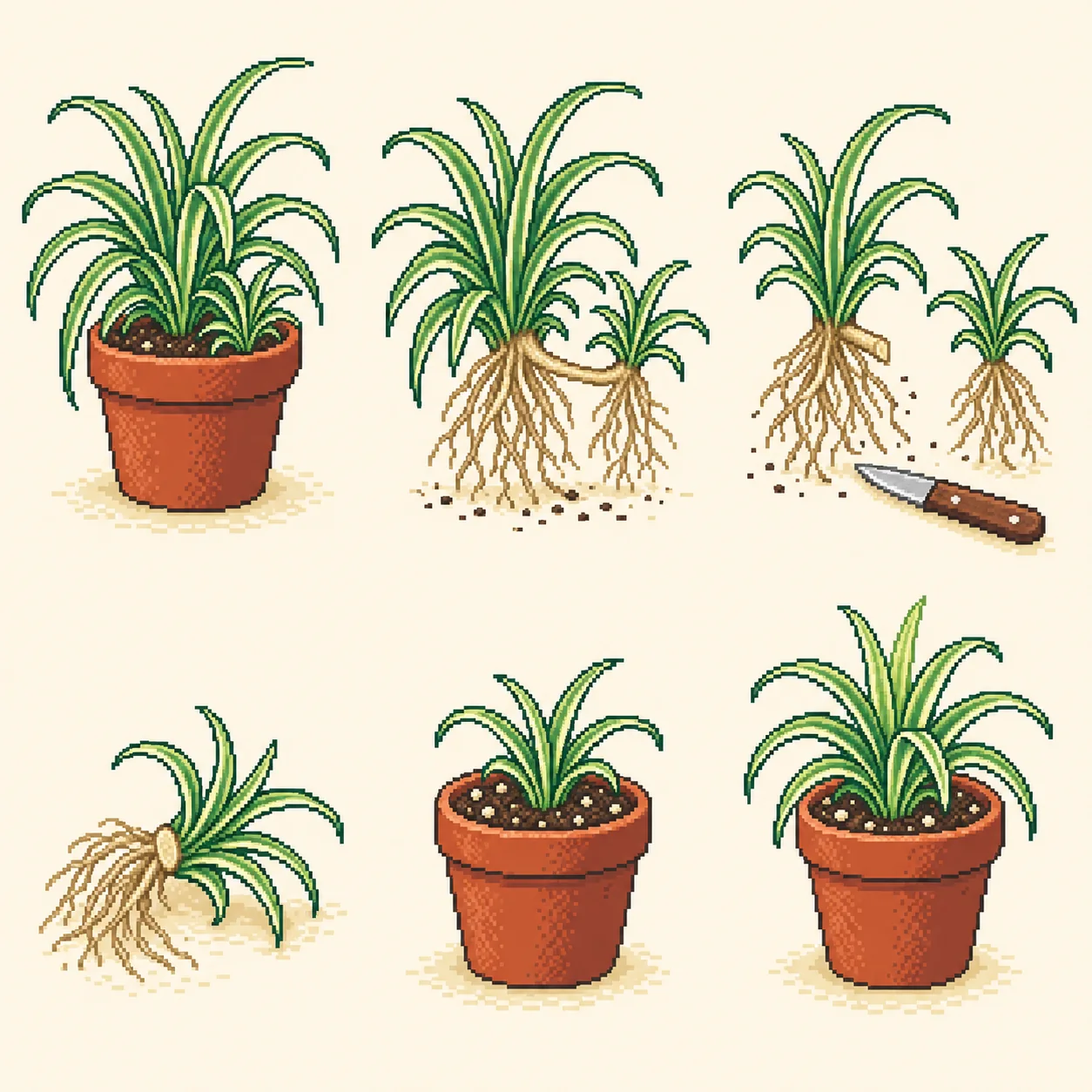
How to propagate by offsets / pups
Ponytail palm produces basal offsets. Rooting one is a separate process, so check the attachment and any roots before you remove it.
- 01
Work in spring and choose a firm basal offset that can be handled without damaging the caudex.
- 02
Uncover the base gently to see where the offset attaches and whether it has roots of its own.
- 03
Cut or prise the offset away with a clean sharp tool, preserving roots when they are present.
- 04
Pot it in a small container of well-drained potting mix or sand. Keep the base at the surface rather than burying the caudex.
- 05
Keep the rooting medium on the dry side. Moisten it lightly, then let it drain and dry before repeating.
- 06
Give it bright light and protect the new offset from conditions that keep the mix wet.
- 07
Keep the offset in these conditions until new roots and stable growth show that it has established.
All ponytail palm guides
Related plants
Common questions
What is the best way to propagate a ponytail palm?
Use a basal offset when the parent produces one. Check for roots before separating it, then pot it in a sharply draining mix and keep the caudex from sitting in wet medium.
When should I separate a ponytail palm pup?
Spring is the RHS-recommended season for root offsets. Expose the attachment carefully and separate the pup only when you can do so without damaging the parent.
How long does a ponytail palm offset take to root?
Establishment varies. Keep the root zone from staying wet and watch for new roots and stable growth.
Can you propagate a ponytail palm from a leaf cutting?
No. A detached ponytail palm leaf does not contain the growing point needed to make a new plant. This guide uses a basal offset rather than a leaf or ordinary stem cutting.
Sources: RHS Beaucarnea recurvata profile supports spring root offsets and sharply drained conditions. New Mexico State University’s ponytail palm guide supports rooting offsets in well-drained soil or sand and allowing the root zone to dry.
7 steps · Watch for new roots and stable growth · Last reviewed: