



Is moth orchid toxic to cats and dogs?
Safe for cats and dogs
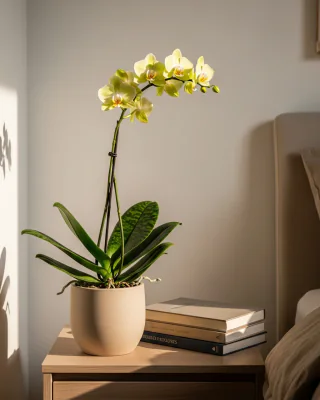
Moth orchid (Phalaenopsis) · Phalaenopsis spp.


ASPCA lists Phalaenopsis sp. as non-toxic to cats and dogs.
 Not sure it’s this plant?Get the free Botanicaly app: it names the plant from a photo and warns you if it’s known to be toxic

Why it’s safe
The record covers Phalaenopsis sp. It does not establish the safety of every orchid, an unidentified plant, or a particular amount eaten.
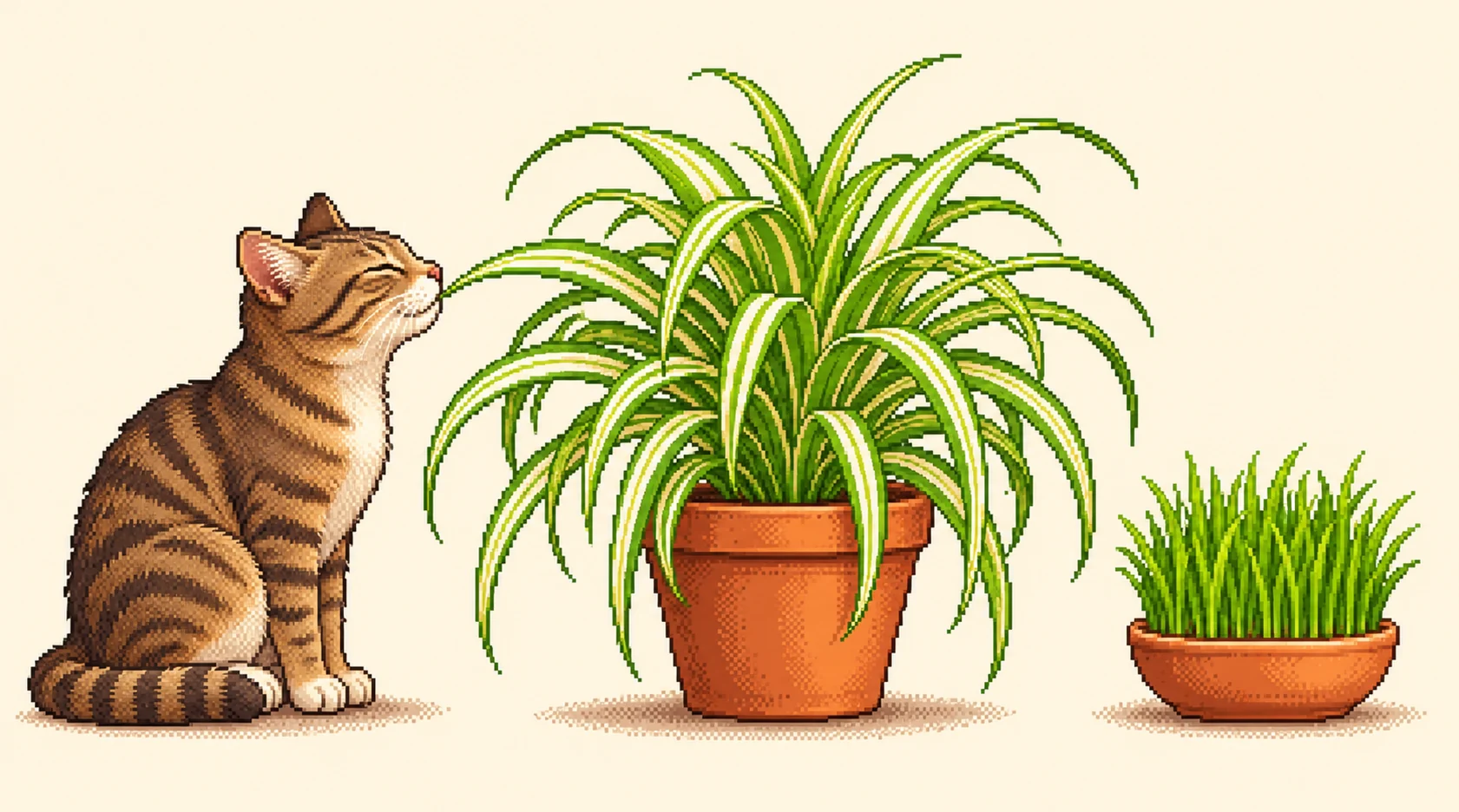
If your pet chewed it anyway
- Non-toxic does not mean harmless to eat: any plant can cause vomiting or an upset stomach.
- The plant may not be the only risk. Fertilizer or pesticide on the leaves or in the soil can make a pet sick, so if the plant was treated, call your vet.
- Gagging, heavy drooling or repeated attempts to swallow can mean a piece is stuck in the throat. Call your vet.
- Also call if vomiting keeps going, your pet is unusually tired, or it will not eat.
The ASPCA Phalaenopsis Orchid record identifies Phalaenopsis sp. and lists it as non-toxic to cats and dogs. This is reference information, not veterinary advice. Sources: ASPCA: Toxic and Non-Toxic Plants, Pet Poison Helpline: Fertilizers, ASPCA: Tips for a pet-safe yard and garden, Merck Veterinary Manual: Esophageal foreign bodies in small animals.
All moth orchid (Phalaenopsis) guides
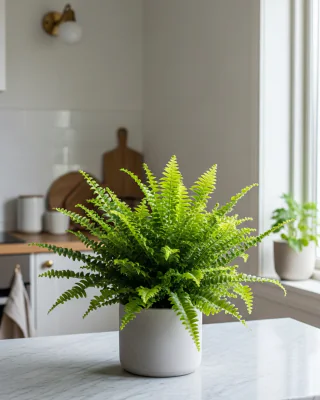
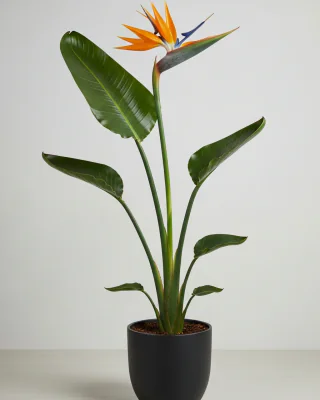
Related plants

Common questions
Is moth orchid (Phalaenopsis) safe for cats?
Yes. ASPCA lists Phalaenopsis sp. as non-toxic to cats.
Is moth orchid (Phalaenopsis) safe for dogs?
Yes. ASPCA lists Phalaenopsis sp. as non-toxic to dogs.
Can I keep moth orchid (Phalaenopsis) with pets at home?
The ASPCA non-toxic record applies to Phalaenopsis sp. If your pet is unwell or the plant identity is uncertain, contact a veterinarian.
ASPCA reference · Last reviewed: