


Light needs for a Venus fly trap
Dionaea muscipula
Quick answer
Give Dionaea muscipula the brightest safe position you can, up to full sun after acclimation. Strong light can deepen trap color, but hot glass and sudden exposure can scorch it.
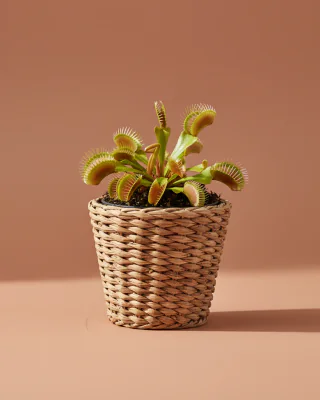
 Not sure it’s this plant?Check yours with a photo, free
Pet-safe
Light needs for a Venus fly trap
- 01
Best position and light
Use the brightest safe position available, up to full sun after acclimation. It can also cope with partial shade, and indoors it does not need a set number of sun hours.
Use a bright windowsill or similarly bright position, but protect leaves from excessive heat through glass and avoid abrupt exposure changes.
- 02
Seasonal light changes
Keep light strong during active growth and give the cooler winter rest Venus flytraps need rather than leaving the plant warm and dim year-round.
- 03
Signs the light may be wrong
Weak or straggly traps or poor trap function prompt a light review. Scorch on leaves against hot glass points to excessive heat or a sudden intensity change.
- 04
Limits of this light guide
No single indoor placement fits every cultivar. Trap color alone does not identify a cultivar.
All Venus fly trap guides
Keep reading
Sources3 references
- Royal Botanic Gardens, Kew: Plants of the World OnlineTaxonomy · accepted name · classification
- North Carolina State University Extension Gardener Plant ToolboxHouseplant context · light · wet medium · water quality · humidity · pests · disease
- Iowa State University Extension and OutreachMedium · light · temperature · humidity · water quality · feeding · terrarium care
Last reviewed: