



Is bird of paradise toxic to cats and dogs?
Quick answer
Toxic to cats and dogs. Strelitzia reginae contains gastrointestinal irritants.
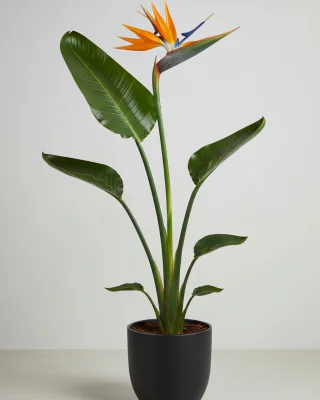
 Not sure it’s this plant?Check yours with a photo, free
Bird of paradise Strelitzia reginae
Another plant shares the name bird of paradise: the shrub Caesalpinia gilliesii (Poinciana), which ASPCA rates as more toxic. Strelitzia itself causes mild signs, mainly from its fruit and seeds.
What to do if your pet ate it
If you think your cat or dog ate any part of a bird of paradise, act quickly. Do not wait for symptoms to appear.
- Remove the plant from the pet’s reach.
- Call your vet or an emergency animal clinic immediately.
- When you call, have the plant’s name or a photo ready. Tell the vet roughly how much your pet ate and when.
Do not induce vomiting unless a vet specifically instructs you to. It can make some poisonings worse.
Symptoms
In cats and dogs, mainly the fruit and seeds can cause these mild signs:
- Mild nausea
- Vomiting
- Drowsiness
Non-toxic plants for similar light
 Indoor bananaMusa acuminataBright / direct lightPet-safe
 Venus fly trapDionaea muscipulaBright / direct lightPet-safe
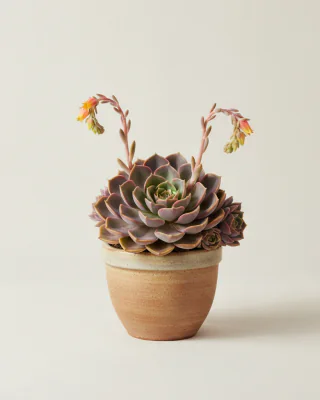 EcheveriaEcheveria spp.Bright / direct lightPet-safe
 Donkey’s tailSedum morganianumBright / direct lightPet-safe
See all pet-safe alternatives →
The ASPCA Bird of Paradise Flower record identifies Strelitzia reginae, lists GI irritants with mild nausea, vomiting, and drowsiness mainly from fruit and seeds, and warns against confusing it with the more-toxic Caesalpinia gilliesii. This is reference information, not veterinary advice. Sources: ASPCA: Bird of Paradise (Caesalpinia gilliesii).
All bird of paradise guides
Related plants

Common questions
Is bird of paradise toxic to cats?
Yes, Strelitzia reginae is toxic to cats. ASPCA lists mild nausea, vomiting, and drowsiness, mainly after fruit or seeds are eaten. Contact your veterinarian if your cat has chewed the plant.
ASPCA reference · Last reviewed: