Satin pothos care guide
Scindapsus pictus

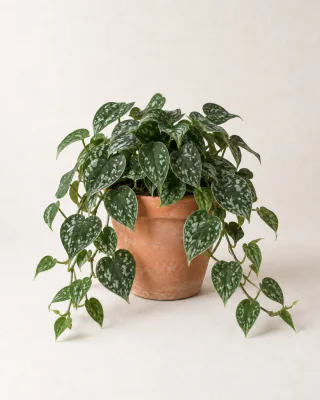
Scindapsus pictus, often called satin pothos, grows well in bright filtered light and a potting mix that drains freely. Water moderately while it is growing, and let excess water drain away.
 Not sure it’s this plant?Check yours with a photo, free
At a glance
- Light
- Bright, filtered light
- Water
- Moderate while growing, well-drained
- Climate
- 18–29 °C (64–84 °F), away from cold
- Humidity
- Prefers humidity of 50% or more
- Pet safety
- Toxic to cats and dogs
Silver-marked leaves on a trailing vine
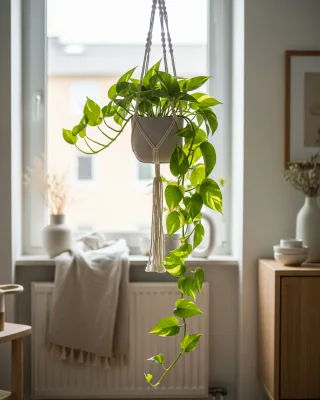
This tropical evergreen climber comes from Bangladesh and Malesia. Its dark green, heart-shaped leaves have silvery markings. Indoors, the stems can climb a support or trail from a hanging pot.
Pinch the stems to keep the plant tidy. Yellow leaves can point to overwatering, while curling leaves can mean it needs water. Wet, poorly drained soil can cause root rot.
How to water Scindapsus pictus
While it is growing, water moderately. Use a loam-based potting mix that drains well, and let extra water run out of the pot.
Water more sparingly when growth slows. Avoid leaving the roots in wet soil, which can lead to root rot. Yellow leaves may be a sign of overwatering, while curling leaves may mean the plant is too dry.
Light and placement
Place it in bright filtered light, shaded from hot direct sun. A little shade is fine, but avoid strong sun and cold air.
Feeding
While it is growing, apply a balanced liquid fertilizer monthly. Reduce feeding when growth slows.
Temperature & humidity
Climate18–29 °C (64–84 °F), away from cold
Keep it warm, around 18 to 29 °C (64–84 °F). It does not tolerate cold air or frost, so grow it indoors in cooler climates.
It prefers humidity of at least about 50%. Dry air from heating can fall below that, so keep it away from radiators and use a humidifier if the room is very dry. No misting routine is needed.
Toxic to pets?
Yes. Keep it out of reach.
Pet-safety information in the JungleBook uses ASPCA reference data where available. It is reference information, not veterinary advice.
Full satin pothos toxicity guide →
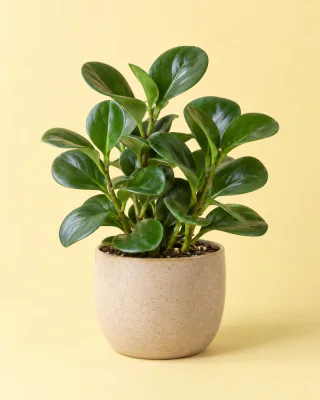
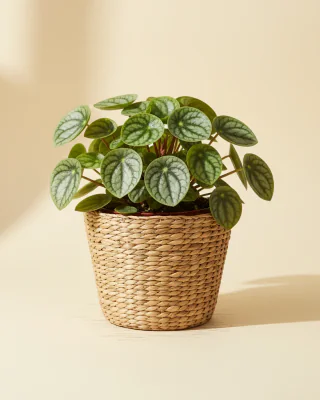
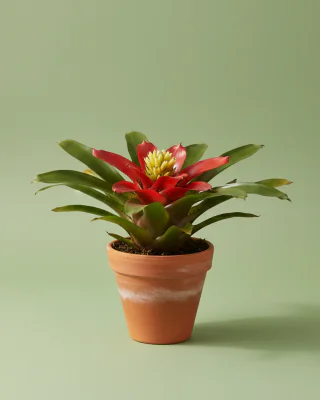
Pet-safe alternatives with similar light
Common questions
Does Scindapsus pictus need direct sun?
No. Give it bright filtered light and shade it from hot direct sun.
How often should I water satin pothos?
Water moderately while it is growing, then more sparingly when growth slows. Use a well-drained mix and let extra water drain from the pot.
Why are the leaves turning yellow or curling?
Yellow leaves can point to overwatering. Curling leaves can mean the plant needs water. Check the mix and make sure it drains freely.
Is Scindapsus pictus safe for cats and dogs?
No. ASPCA lists it as toxic to cats and dogs. It contains insoluble calcium oxalates that can irritate the mouth and cause swelling, drooling, vomiting or difficulty swallowing.
Does satin pothos need high humidity?
Not high, but it prefers at least about 50%. Dry winter air can fall below that, so keep it away from radiators and use a humidifier if needed.
Sources
- This guide follows established plant-care guidance and official ASPCA pet-safety references. How we verify our plant data →
- Sources: NC State Extension supports the light, soil, temperature, trailing habit, stem pinching and leaf symptoms. The RHS profile supports filtered light, moderate watering and monthly feeding while growing. The ASPCA satin pothos record supports the toxicity and symptom details.
Last reviewed: