


The right soil for an olive tree in a pot
Olea europaea
Quick answer
For a potted Olea europaea, choose a gritty loam-based mix or a succulent and cactus mix, then prioritize free drainage over a single recipe.
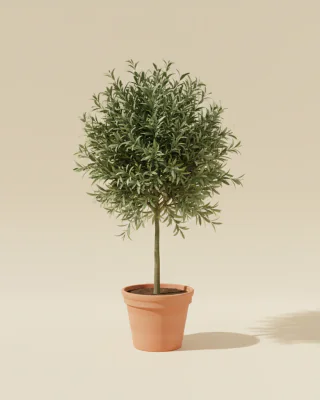
 Not sure it’s this plant?Check yours with a photo, free
Pet safety unknown
The right soil for an olive tree in a pot
- 01
Best soil mix
For a pot under glass, use peat-free loam-based potting mix such as John Innes No. 3 with added sharp sand. A gritty loam-based potting mix or a succulent and cactus potting mix also works for a potted olive.
Olea europaea needs well-drained or sharply drained soil. Use adequate drain holes and raise the pot so excess water can leave. Do not block the hole with a decorative gravel layer or leave the pot standing in runoff.
- 02
Match the mix to the pot and setting
Olives grow outdoors in deep fertile soil, in large patio containers and under glass. Pot-grown olives can spend winter frost-free and move outdoors for summer sun. Growing one indoors is a seasonal pot setup and does not guarantee good fruiting in a heated room.
- 03
Soil pH
Olea europaea tolerates acid, alkaline and neutral pH, so any ordinary potting mix pH suits it.
- 04
When soil alone is not the problem
Choose the mix and pot for your tree rather than a fixed recipe, since cultivars and ages differ. Drainage, light, winter temperature and pot size matter most.
All indoor olive tree guides
Keep reading
Sources4 references
- Royal Botanic Gardens, Kew: Plants of the World OnlineTaxonomy · accepted name · classification
- Royal Horticultural SocietyPlant profile · full sun · drainage · under-glass compost · pests · Container size · gritty loam · watering · monthly feed · frost-free overwintering
- University of Illinois ExtensionAt least six hours sunlight · south window · water top inch dry · indoor fruiting caveat
- North Carolina State University Extension Gardener Plant ToolboxLight · soil moisture · drought · indoor/greenhouse movement · chill requirement · pests
Last reviewed: