


Olive tree varieties by size and fruiting
Olea europaea

Quick answer
Choose the olive by the decision you need: a smaller mostly fruitless ornamental, a taller fruitless tree, or a fruiting and oil cultivar.
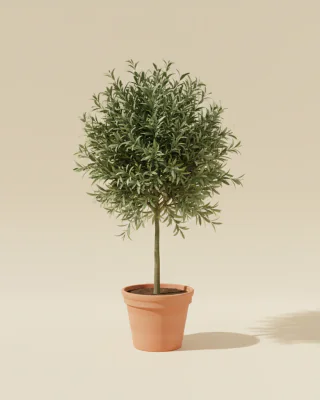
 Not sure it’s this plant?Check yours with a photo, free
Pet safety unknown
Olive tree varieties by size and fruiting
- 01
Plant names and labels
Olea europaea is the accepted species name. The cultivars compared here are horticultural selections within that species, not separate species.
The useful horticultural groups are smaller or mostly fruitless ornamentals, larger fruitless trees, and fruiting or oil cultivars. These groups describe fruiting, size, and use rather than formal botanical ranks.
- 02
How the varieties differ
Little Ollie is a smaller, mostly fruitless shrub suited to hedges or patio containers, while Swan Hill and Wilson or Wilsonii are fruitless but can become much taller. Named fruiting or oil choices include Arbequina, Mission, Manzanillo, Sevillano, and Frantoio. Cultivar changes fruit size, oil, flavor, and pollinizer needs.
- 03
Care differences
Cultivar choice changes the practical decision about patio space, pruning or training, fruit and cleanup, and whether a second pollinizer may be needed. All of them want full sun and well-drained soil outdoors.
All indoor olive tree guides
Sources4 references
- Royal Botanic Gardens, Kew: Plants of the World OnlineTaxonomy · accepted name · classification
- Royal Horticultural SocietyPlant profile · full sun · drainage · under-glass compost · pests · Container size · gritty loam · watering · monthly feed · frost-free overwintering
- University of Illinois ExtensionAt least six hours sunlight · south window · water top inch dry · indoor fruiting caveat
- North Carolina State University Extension Gardener Plant ToolboxLight · soil moisture · drought · indoor/greenhouse movement · chill requirement · pests
Last reviewed: