


How to prune an oleander
Nerium oleander
Quick answer
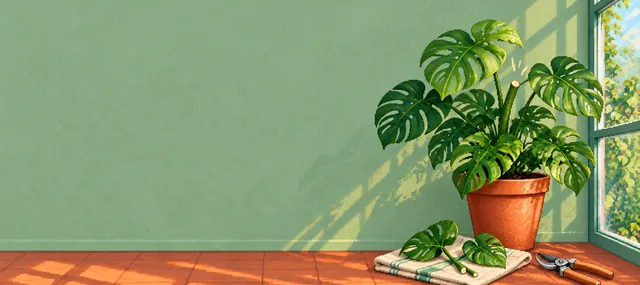
Before pruning oleander, wear gloves and eye protection. Its sap can irritate skin and eyes. Wash your hands and tools, keep clippings away from pets, and never burn them. For an oleander, remove dead, damaged or frost-damaged branches and selected basal suckers. Use light pruning rather than shearing.
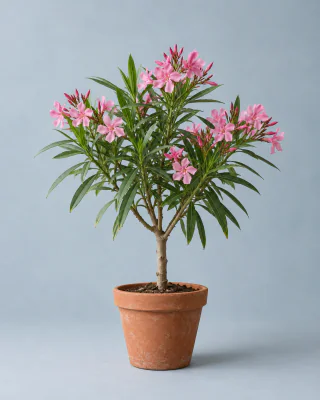
 Not sure it’s this plant?Check yours with a photo, free
Toxic to pets
How to prune an oleander
- 01
Choose what to remove
Before pruning oleander, wear gloves and eye protection. Its sap can irritate skin and eyes. Wash your hands and tools, keep clippings away from pets, and never burn them. Remove dead, damaged or frost-damaged branches, shoots from the base, and selected old wood. Use regular light pruning instead of indiscriminate shearing.
Pruning controls shape and structure, removes damaged growth, and helps maintain flowering by managing suckers and old wood.
- 02
Prune at the right time
Light pruning can follow flowering, while late-winter or spring pruning is used before new growth. Avoid pruning after early fall when it would remove next season’s buds.
- 03
Make one clean cut
Thin selected branches and remove young basal suckers. Take out old wood, and do not shear the shrub.
- 04
When pruning will not help
Pruning after early fall can remove next year’s flower buds, and severe reduction can sacrifice flowering while the plant regrows. Every part of oleander is poisonous, and the sap can irritate skin and eyes. Wear gloves and eye protection while cutting, and wash your hands and tools afterwards. Keep the clippings away from children and pets, and put them out with household or garden waste as your local rules allow. Never burn them: the smoke is harmful to breathe.
All oleander guides
Keep reading
Sources3 references
- Royal Botanic Gardens, Kew: Plants of the World OnlineTaxonomy · Kew Species Profiles: Cultivation · Hazards
- North Carolina State University Extension Gardener Plant ToolboxDescription · container/houseplant note · Insects, Diseases, and Other Plant Problems
- University of Florida IFAS ExtensionPlant overview · Oleander Aphid · Oleander Caterpillar · Sphaeropsis Gall · Oleander Leaf Scorch · Scale
Last reviewed: