


Hyacinth yellow leaves: what to check
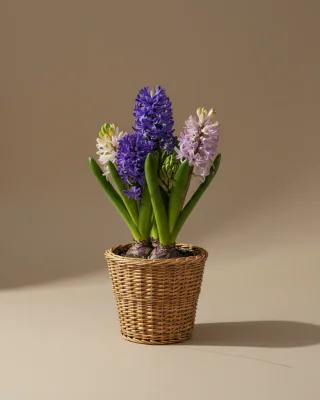
Hyacinthus orientalis
Quick answer
Note the flowering stage. Yellow leaves after flowering may be natural dieback. Early yellowing with limp leaves, a wet pot, or a soft bulb needs a mix and bulb check.
 Not sure it’s this plant?Check yours with a photo, free
Toxic to pets
Which leaves are yellow?
Record whether yellowing begins after the flowers fade, or earlier while leaves are limp, growth is poor, or the container stays wet. Distinguish natural end-of-cycle dieback from early yellowing.
Check flowering stage, bulb and leaf firmness, pot drainage, recent watering, light, temperature, and whether the bulb was forced indoors or is growing outdoors.
Possible causes and next checks
Yellow leaves can follow natural leaf dieback after flowering, early or excessive wetness with bulb or root decline, insufficient light, cold, stress from indoor forcing, and a flower-stalk problem that affects display rather than leaf age.
When foliage is naturally yellowing after flowering, stop watering a soil-grown container and let the bulb die back before storage. When yellowing starts early with wet potting mix or soft tissue, inspect drainage and bulb condition before adding water.
What to watch next
Recheck bulb firmness, remaining green foliage, whether the potting mix is drying, and the next growth cycle. Old yellow foliage is not a recovery measure. Renewed yellowing before natural dieback calls for another inspection.
What yellow leaves cannot tell you
Yellow leaves alone cannot separate normal bulb fading from wet-root or bulb injury, light, temperature, or forcing stress. Indoor forcing, outdoor containers, and garden bulbs are different settings.
All hyacinth guides
Keep reading
Related plants
Last reviewed: