


Hyacinth propagation
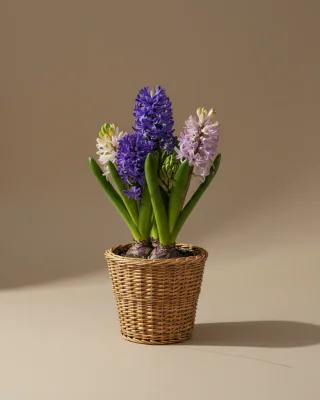
Hyacinthus orientalis
Quick answer
Use a large, healthy dormant bulb. Separate offsets, or divide the bulb by scaling, chipping, or scooping through the basal plate.
 Not sure it’s this plant?Check yours with a photo, free
Toxic to pets
What plant material to use
Use large, healthy dormant Hyacinthus orientalis bulbs. Bulbs increase naturally through offsets. You can also make new bulbs by scaling, chipping, or scooping.
How to propagate this plant
Wear gloves before dividing the bulbs. Bulb pieces are especially poisonous if swallowed. Keep all cut pieces away from children and pets, and wash your hands after handling.
Choose offset separation or bulb scaling, chipping, or scooping. Scooping is an advanced way to form bulblets on exposed scales, and new bulbs may take three or four years to flower.
For scooping, work after the foliage dies, set the bulb base-up on damp coarse sand in a dark, warm place, and keep the sand damp without letting disease spread. Do not confuse this with the cool chilling and bright display used to force a flowering bulb indoors.
After the foliage dies, lift and clean a large, healthy bulb. Scoop out the basal plate with a sterilized sharpened teaspoon or scalpel, leave the outer rim, place the bulb base-up on damp coarse sand, check it regularly, and plant bulblets when ready to line out and replant.
Signs of roots or failure
After about three months, bulblets may form on the exposed scales. Early bulblets may be pea- or marble-sized and need further growing before they reach flowering size.
Reject bulbs that are diseased, soft, or deteriorating. Rethink a setup that stays very wet, since hyacinth bulbs can rot.
Aftercare and hygiene
After bulblets form, plant the mother bulb with attached bulblets outdoors in late autumn. Lift the new bulbs after the foliage dies in early summer, then line them out and replant annually until full size.
Use a sterilized sharp tool and discard bulbs showing disease. Wear gloves if handling irritates your skin, and keep bulbs away from children and pets because ingestion is harmful.
All hyacinth guides
Related plants
Sources: NC State Extension.
Last reviewed: