

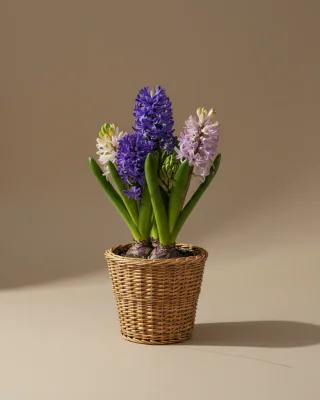
Hyacinth care guide
Hyacinthus orientalis
For a soil-grown hyacinth, check the compost and water as needed while the leaves grow. As the foliage yellows, stop watering and keep the dormant bulb dry. Bulbs grown in water need different care, so do not use this soil-watering routine for them.
 Not sure it’s this plant?Check yours with a photo, free
At a glance
- Light
- Bright light, some sun
- Typical interval
- Soil: water in growth, stop as leaves yellow.
- Climate
- 15–20 °C (59–68 °F)
- Humidity
- 40–60%
- Pet safety
- Toxic to cats and dogs
When and how to water
For a soil-grown hyacinth, check the compost and water as needed while the leaves grow. As the foliage yellows, stop watering and keep the dormant bulb dry. Bulbs grown in water need different care, so do not use this soil-watering routine for them.
Light and placement
Bright light, some sun
Hyacinth needs bright light and a little gentle direct sun, such as morning sun. Strong midday sun can scorch the leaves. Place it close to an east- or west-facing window.
Feeding
For bulbs in soil, use liquid high-potassium fertilizer from early spring until six weeks after flowering, following the label amount and frequency. Stop when the leaves yellow. Do not feed bulbs grown in water.
Temperature & humidity
Climate15–20 °C (59–68 °F)
Humidity40–60%
Hyacinth is comfortable between 15 and 20 °C (59–68 °F). It handles a cool room well, even in winter, as long as it stays above 0 °C (32 °F).
It does best at 40–60% humidity. It doesn’t need misting.
Common problems
Yellowing, drooping, and dry edges often point to watering or drainage. Compare the signs before changing the routine.
Find what’s wrong
Toxic to pets?
Yes. Keep it out of reach.
Wear gloves when you cut or repot it. Keep the sap away from your eyes and skin, and wash your hands afterwards.
Pet-safety information in the JungleBook uses ASPCA reference data where available. It is reference information, not veterinary advice.
Full hyacinth toxicity guide →
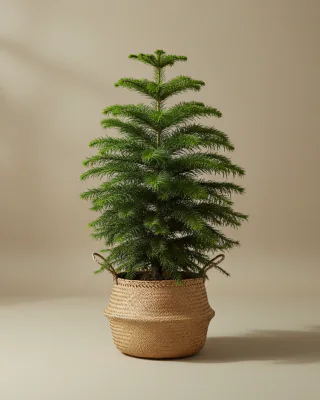
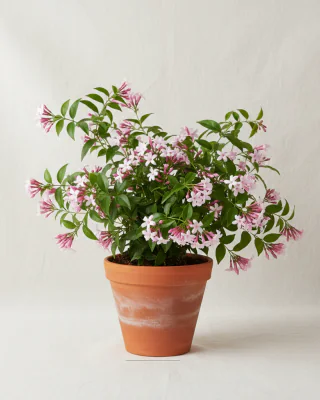
Pet-safe alternatives with similar light
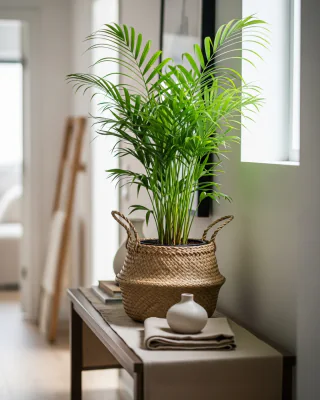
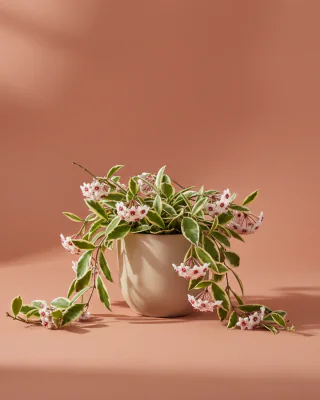
Sources4 references
- Royal Botanic Gardens, Kew: Plants of the World OnlineTaxonomy · accepted name · classification
- Iowa State University Extension and OutreachChilling · post-chill light and temperature · water forcing · flowering duration · disposal after display · Potting mix · drainage holes · bulb position · evenly moist medium · water-forcing contact limits
- North Carolina State University Extension Gardener Plant ToolboxLight · soil · water by season · bulb rot · indoor forcing · long-term suitability · toxicity
- ASPCA Animal Poison ControlScientific name · toxic principle · clinical signs in dogs, cats and horses
Last reviewed: