



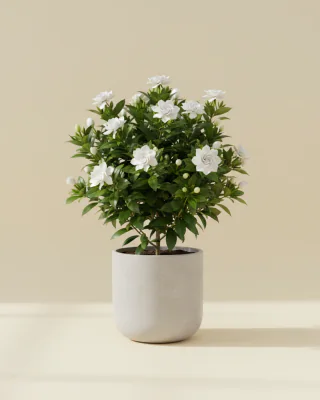
Is gardenia (Gardenia jasminoides) toxic to cats and dogs?
Toxic to cats and dogs
Gardenia · Gardenia jasminoides


Gardenia is toxic to cats and dogs if chewed or ingested.
Last reviewed: . How we check our plant advice
My pet ate some: what to do now
What to do if your pet ate it
If you think your cat or dog ate any part of a Gardenia, act quickly. Do not wait for symptoms to appear.
- Remove the plant from the pet’s reach.
- Call your vet or an emergency animal clinic immediately.
- When you call, have the plant’s name or a photo ready. Tell the vet roughly how much your pet ate and when.
Do not induce vomiting unless a vet specifically instructs you to. It can make some poisonings worse.

Symptoms
Symptoms may include:
- Mild vomiting and/or diarrhea
- Hives

Non-toxic plants for similar light
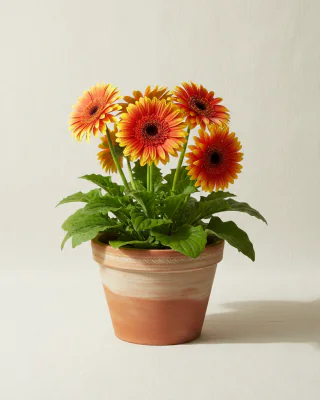 Gerbera daisyGerbera jamesoniiBright light, some sunPet-safe
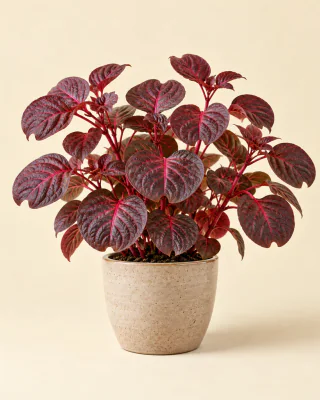 BloodleafIresine herbstiiBright light, some sunPet-safe
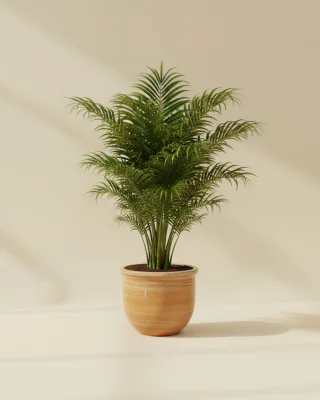 Pygmy date palmPhoenix roebeleniiBright light, some sunPet-safe
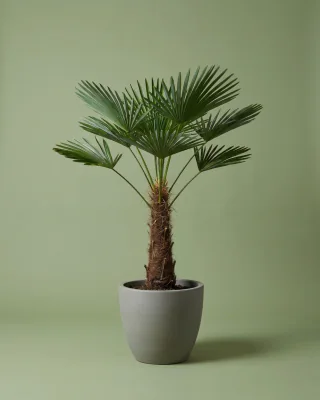 Windmill palmTrachycarpus fortuneiBright light, some sunPet-safe
See all pet-safe alternatives →
Pet-safety information in the JungleBook uses ASPCA reference data where available. It is reference information, not veterinary advice.
All Gardenia guides
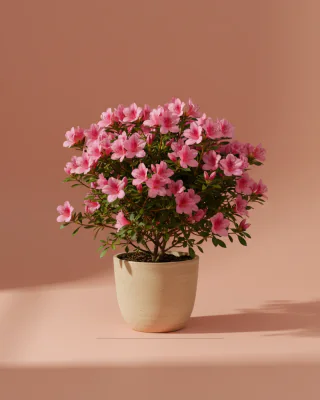
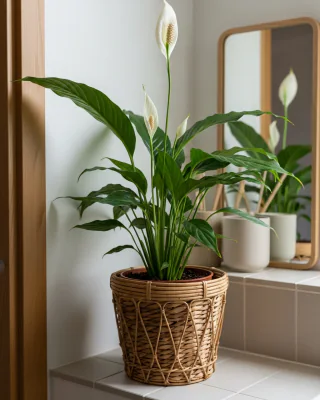
Related plants
Common questions
Is Gardenia toxic to cats?
Yes, Gardenia is toxic to cats. If your cat chews or ingests any part of the plant, contact your vet or the ASPCA Animal Poison Control Center right away. Symptoms can include mild vomiting and/or diarrhea and hives.
Is Gardenia toxic to dogs?
Yes, Gardenia is toxic to dogs. Contact your vet immediately if your dog eats any part of it. Do not wait for symptoms.
What should I do if my cat ate Gardenia?
Call your vet or an emergency animal clinic immediately. You can also contact the ASPCA Animal Poison Control Center (24/7). Try to bring a piece of the plant or a photo so the vet can identify the species. Do not try to induce vomiting unless instructed by a professional.
Can I keep Gardenia with pets?
Gardenia is toxic to cats and dogs, so it is best kept out of reach: ideally in a room your pets cannot access, or replaced with a non-toxic alternative. See the pet-safe alternatives listed on this page.
How we check our plant advice → · ASPCA reference · Last reviewed: