



Holiday plants toxic to cats and dogs
True lilies and daylilies can cause fatal kidney failure in cats. Poinsettias are mildly toxic, and the ASPCA says they “cause more worry than warranted”.
On 12 November 2026 the ASPCA listed Easter lily as toxic to cats, with kidney failure and death possible, and as non-toxic to dogs. It listed poinsettia as toxic to cats and dogs but “generally over-rated in toxicity”: the sap irritates the mouth and stomach and sometimes causes vomiting.
97 of the 500 plants on Botanicaly’s pet-safe plant list (botanicaly.com/en/pet-safe) are confirmed non-toxic to cats and dogs by an ASPCA record: 19%.
97 of 500 plants are confirmed non-toxic
The other 403 plants on the list are not confirmed non-toxic. Some are toxic, and for others no ASPCA record covers them. Botanicaly treats all of them as unsafe for pets until a record says otherwise.
- Confirmed non-toxic: 97 (19%)
- Not confirmed non-toxic: 403 (81%)
13 holiday plants: what the ASPCA says
Each verdict is as stated in the ASPCA record linked in its row, read on 12 November 2026. The signs column gives the signs that record lists, in plain words.
The verdicts are for cats and dogs only. Rabbits, birds and other pets can react differently, so ask your vet. The ASPCA notes that eating any plant can cause vomiting or an upset stomach in cats and dogs.
| Plant | Cats | Dogs | Signs the ASPCA lists | What to do |
|---|---|---|---|---|
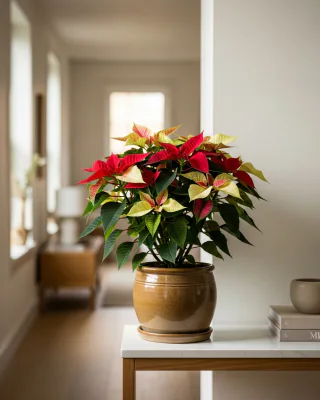 PoinsettiaBotanicaly’s pet-safety page |
Toxic | Toxic | Irritates the mouth and stomach, sometimes causing vomiting. The ASPCA calls it “generally over-rated in toxicity”. | If your pet ate some, call your vet and follow their advice. |
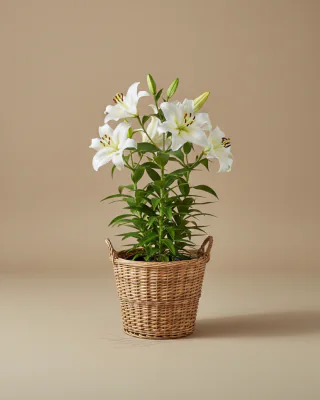 Lilies (true lilies and daylilies) |
Toxic | Non-toxic | Vomiting, loss of appetite, lethargy. Kidney failure and death are possible. The ASPCA knows of no species other than cats that is affected. | Call your vet or an emergency animal clinic immediately, even if your cat only licked pollen or drank vase water. |
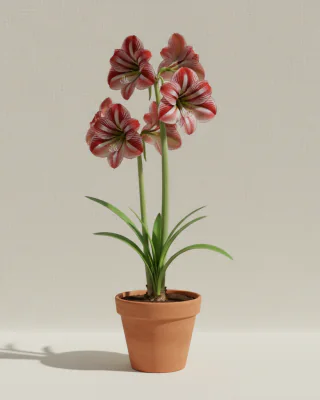 AmaryllisBotanicaly’s pet-safety page |
Toxic | Toxic | Vomiting, drooling, diarrhea. With a large amount eaten: convulsions, tremors, low blood pressure, heart rhythm problems. The bulb holds the most poison. | Call your vet or an emergency animal clinic immediately. |
 Holly |
Toxic | Toxic | Vomiting, diarrhea and depression. The ASPCA rates the leaves and berries as low toxicity. | Call your vet or an emergency animal clinic immediately. |
 Mistletoe (American) |
Toxic | Toxic | Vomiting, diarrhea, low heart rate, difficulty breathing, low blood pressure (rare). | Call your vet or an emergency animal clinic immediately. |
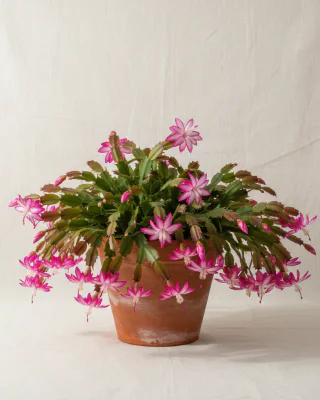 Christmas cactusBotanicaly’s pet-safety page |
Not confirmed (ASPCA: S. bridgesii non-toxic) | Not confirmed (ASPCA: S. bridgesii non-toxic) | None listed for S. bridgesii. For S. truncata, ASPCA Poison Control has reported vomiting and diarrhea (sometimes with blood), loss of appetite and depression in dogs, and wobbliness in cats. | If your pet has chewed it, call your vet, say which plant it was and roughly how much, and follow their advice. |
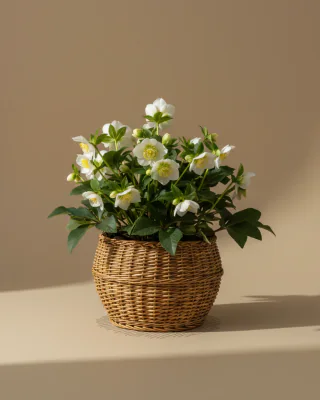 Christmas roseBotanicaly’s pet-safety page |
Toxic | Toxic | Drooling, abdominal pain, diarrhea, colic, depression. | Call your vet or an emergency animal clinic immediately. |
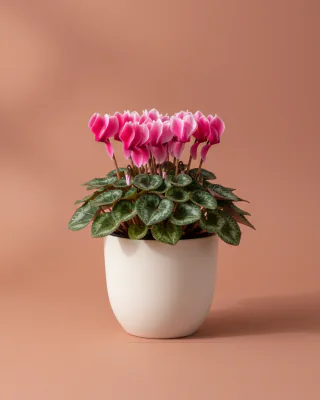 CyclamenBotanicaly’s pet-safety page |
Toxic | Toxic | Drooling, vomiting, diarrhea. After large amounts of the tuber: heart rhythm problems, seizures, death. | Call your vet or an emergency animal clinic immediately. |
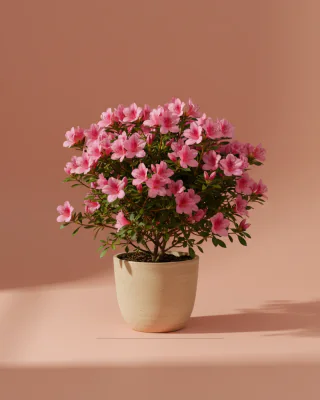 AzaleaBotanicaly’s pet-safety page |
Toxic | Toxic | Vomiting, diarrhea, weakness, cardiac failure. | Call your vet or an emergency animal clinic immediately. |
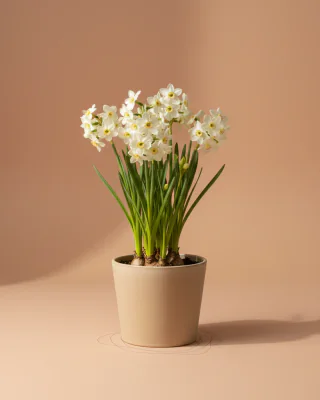 Paperwhite and daffodil |
Toxic | Toxic | Vomiting, drooling, diarrhea. With a large amount eaten: convulsions, tremors, low blood pressure, heart rhythm problems. The bulb holds the most poison. | Call your vet or an emergency animal clinic immediately. |
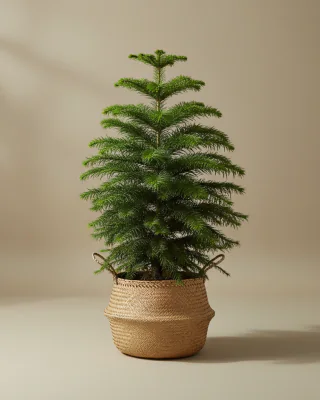 Norfolk Island pineBotanicaly’s pet-safety page |
Non-toxic | Non-toxic | None listed. | Non-toxic does not mean harmless to eat: any plant can cause vomiting or an upset stomach. |
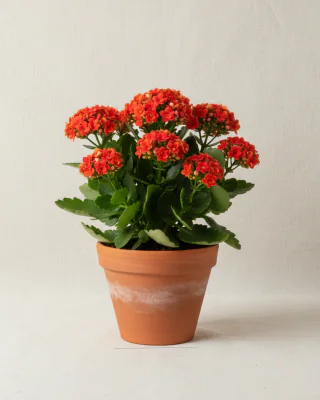 KalanchoeBotanicaly’s pet-safety page |
Toxic | Toxic | Vomiting, diarrhea, abnormal heart rhythm (rare). | Call your vet or an emergency animal clinic immediately. |
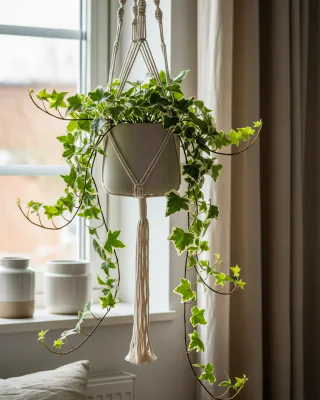 English ivyBotanicaly’s pet-safety page |
Toxic | Toxic | Vomiting, abdominal pain, drooling, diarrhea. The leaves are more toxic than the berries. | Call your vet or an emergency animal clinic immediately. |

Lilies and cats
The ASPCA lists Easter lily (Lilium longiflorum) as toxic to cats and non-toxic to dogs. Its record lists vomiting, loss of appetite and lethargy, says kidney failure and death are possible, and notes that cats are the only species known to be affected. The ASPCA gives the same verdict for tiger, Japanese show, rubrum and stargazer lilies and for Lilium species as a whole. The FDA counts daylilies (Hemerocallis) among the lilies that are dangerous to cats, and the ASPCA lists day lilies as toxic to cats too.
The FDA says the whole lily plant is toxic to cats, including the pollen and the water in the vase. A cat that eats a small piece of a leaf or petal, licks pollen off its fur or drinks the vase water can develop fatal kidney failure in less than 3 days.
Early treatment greatly improves the outcome, the FDA says. When treatment starts 18 hours or more after the cat ate the lily, the cat will generally have kidney failure that cannot be reversed.
Dogs that eat lilies may get a minor stomach upset, the FDA says, but they do not develop kidney failure.
Poinsettia
The ASPCA lists poinsettia as toxic to cats and dogs. Its record says the sap irritates the mouth and stomach, sometimes causing vomiting, and calls poinsettia “generally over-rated in toxicity”.
Pet Poison Helpline rates poinsettia as mildly toxic to cats and dogs. It says the signs usually pass on their own and need treatment only if they are severe or do not stop.
Christmas cactus
The ASPCA record for Christmas cactus (Schlumbergera bridgesii) lists it as non-toxic to cats and dogs. Many plants sold as Christmas cactus are another species, S. truncata, or hybrids of it, and the ASPCA plant list does not include S. truncata. That is why Botanicaly marks Christmas cactus as not confirmed.
ASPCA Poison Control’s holiday plants list does name S. truncata. In dogs that ate it, the ASPCA has seen vomiting and diarrhea, sometimes with blood, loss of appetite and depression. In cats it has also seen wobbliness (ataxia).
Any plant can cause vomiting or an upset stomach, so call your vet if your pet seems unwell.
If your pet ate a plant
If you think your pet ate any part of a plant that is toxic or not confirmed as non-toxic, act quickly. Do not wait for symptoms to appear.
- 1
Step 1. Remove the plant from the pet’s reach.
- 2
Step 2. Call your vet or an emergency animal clinic immediately.
- 3
Step 3. When you call, have the plant’s name or a photo ready. Tell the vet roughly how much your pet ate and when.
Do not induce vomiting unless a vet specifically instructs you to. It can make some poisonings worse.
In the US: ASPCA Animal Poison Control Center, (888) 426-4435 (a consultation fee may apply).


Method and date

The verdicts and signs in the table are as stated in the ASPCA Animal Poison Control Center’s plant records. Each record was read on 12 November 2026 and is linked in its row. Statements beyond those records name their source: ASPCA Poison Control’s holiday plants list, the FDA, Pet Poison Helpline or the University of Zurich’s CliniTox. All sources are linked below.
The numbers come from Botanicaly’s pet-safe plant list on the same day, the same list botanicaly.com/en/pet-safe shows. A plant is listed as non-toxic only when an ASPCA record covers it: a record for that species, sometimes under an older scientific name, or an ASPCA record for its whole genus, such as Calathea spp. Every one of those records was read again on 12 November 2026. The other 403 plants are not confirmed non-toxic: for some a veterinary source lists the plant as toxic, for others no record was found. Botanicaly treats all of them as unsafe for pets until a record says otherwise. Percentages are rounded to the nearest whole number.
Christmas trees are not in the table because the ASPCA’s cat and dog plant lists have no entry for fir or spruce. Botanicaly’s potted Christmas spruce page marks it toxic to cats and dogs on the University of Zurich’s CliniTox database, which rates Picea abies as weakly toxic (“schwach giftig”). The spruce page and CliniTox are linked below. The ASPCA’s lists also have no entry for European mistletoe (Viscum album).
To cite this page: Botanicaly, “Holiday plants toxic to cats and dogs”, https://www.botanicaly.com/en/guides/holiday-plants-toxic-to-pets, reviewed 12 November 2026.
- ASPCA Animal Poison Control Center, toxic and non-toxic plants
- ASPCA Animal Poison Control Center, toxic and non-toxic plants for cats
- ASPCA Animal Poison Control Center, toxic and non-toxic plants for dogs
- ASPCApro, 4 holiday plants that cause more worry than warranted
- FDA, Lovely lilies and curious cats: a dangerous combination
- Pet Poison Helpline, Poinsettia
- University of Zurich, CliniTox, Pinaceae
- Botanicaly, Is potted Christmas spruce toxic to cats and dogs?

Related plants

Keep reading

Common questions
Are poinsettias poisonous to cats and dogs?
Yes, but mildly. The ASPCA lists poinsettia as toxic to cats and dogs and calls it “generally over-rated in toxicity”: the sap irritates the mouth and stomach and can cause vomiting. If your pet ate some, call your vet and follow their advice.
Are lilies poisonous to dogs?
True lilies (Lilium) and daylilies (Hemerocallis) are not toxic to dogs: the ASPCA lists Easter lily as non-toxic to dogs, and the FDA says dogs that eat these lilies may get a minor stomach upset but do not develop kidney failure. Some other plants called lilies are toxic to dogs. The ASPCA lists lily of the valley, peace lily, calla lily and amaryllis (Barbados lily) as toxic to dogs and cats. Lily of the valley can affect the heart. True lilies and daylilies are toxic to cats.
Is Christmas cactus safe for cats?
Not confirmed. The ASPCA lists Schlumbergera bridgesii as non-toxic to cats and dogs, but has no plant record for S. truncata. Many plants sold as Christmas cactus are S. truncata or hybrids of it. ASPCA Poison Control reports that S. truncata has caused vomiting and diarrhea in dogs and wobbliness in cats. Call your vet if your pet seems unwell after chewing it.
How we check our plant advice → · Last reviewed: