


Gardenia yellow leaves: causes and checks
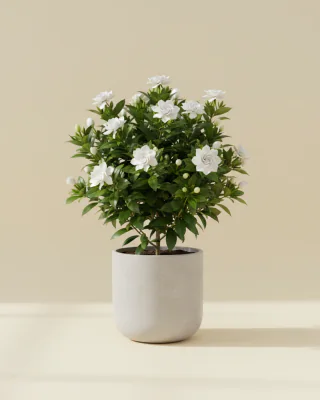
Gardenia jasminoides
Quick answer
Start by separating older leaves from new growth and checking whether the veins stay green. That split changes the likely cause.
 Not sure it’s this plant?Check yours with a photo, free
Toxic to pets
Which leaves are yellow?
The visible sign is yellowing leaves. First separate older leaves from new growth and check whether veins remain green, because those observations lead to different possible causes.
Record leaf age and vein pattern, test or review the growing medium’s pH, inspect moisture and drainage, check roots and the season, and look under leaves for whiteflies or sooty mold.
Possible causes and next checks
Older leaves may yellow or drop naturally in early spring or fall. New leaves that yellow, especially with green veins, can reflect iron or other micronutrient unavailability from high pH or root dysfunction. Nitrogen shortage, poor drainage, nematodes, disease, and whiteflies are additional possibilities.
Test the medium before changing fertilizer. If high pH or an iron-related problem is confirmed, use an acid-forming fertilizer or labeled foliar nutrient as directed, improve drainage without keeping roots saturated, and address pests according to the identified problem.
What to watch next
After correcting a confirmed cause, recheck new growth and the spread of yellowing rather than judging success by old leaves. Recovery time varies.
What yellow leaves cannot tell you
The pH and fertilizer advice comes from potted and landscape gardenias, not a set indoor schedule. Old yellow tissue will not recover, and indoor recovery time varies.
All Gardenia guides
Keep reading
Related plants
Last reviewed: