


Gardenia brown tips
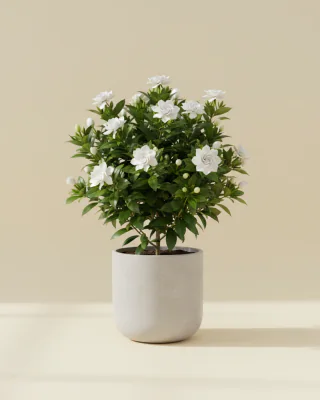
Gardenia jasminoides
Quick answer
Check the root mix and air conditions before watering. Brown or dry Gardenia jasminoides tips can follow dry roots, waterlogged roots, hard water, dry air, heat, or salt buildup.
 Not sure it’s this plant?Check yours with a photo, free
Toxic to pets
What kind of brown mark is it?
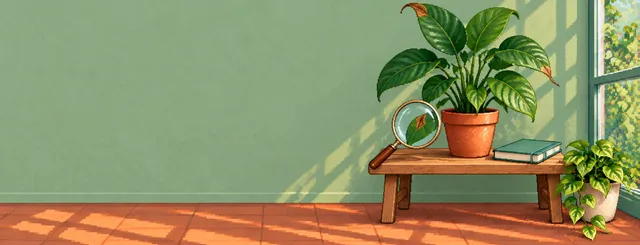
Record brown or dry tissue at leaf tips or edges. Note whether it is crisp, spreading, spotted, or paired with whole-leaf yellowing.
Check mix dryness or waterlogging, recent hard-water use, humidity, heat or direct sun, salt buildup, roots, and pests. Note whether older leaves or new growth are affected.
Possible causes and next checks
Brown tips can follow too little water, wet mix when leaf water loss exceeds root uptake, hard water, root stress, dry air, and heat. Brown tissue alone does not prove drought or nutrient deficiency.
Check the root zone before watering, restore an evenly damp mix without saturation, improve humidity, shelter from hot dry air, and use rainwater when hard water contributes to acidic-medium problems. Do not add fertilizer solely because a tip is brown.
What to watch on new leaves
Recheck new leaves, spread of brown tissue, root-zone condition, and humidity after one matched change. Judge improvement by new growth rather than old damaged tips.
What brown tips cannot tell you
Already brown tissue will not be restored. A photo of a brown tip cannot separate water stress from root, salt, or dry-air conditions.
All Gardenia guides
Keep reading
Related plants
Last reviewed: