



Is string of pearls toxic to cats and dogs?
Quick answer
Toxic to cats and dogs. String of pearls contains pyrrolizidine alkaloids.

 Not sure it’s this plant?Check yours with a photo, free
String of pearls Senecio rowleyanus
ASPCA ties liver damage from Senecio’s pyrrolizidine alkaloids to large or long-term intake, as in horses. For a nibbled string of pearls, NC State Extension rates the severity low: vomiting, diarrhea and skin irritation from the sap.
What to do if your pet ate it
If you think your cat or dog ate any part of a string of pearls, act quickly. Do not wait for symptoms to appear.
- Remove the plant from the pet’s reach.
- Call your vet or an emergency animal clinic immediately.
- When you call, have the plant’s name or a photo ready. Tell the vet roughly how much your pet ate and when.
Do not induce vomiting unless a vet specifically instructs you to. It can make some poisonings worse.
Symptoms
In cats and dogs, eating it can cause:
- Vomiting and diarrhea
- Lethargy
- Minor skin irritation (from the sap)
Non-toxic plants for similar light
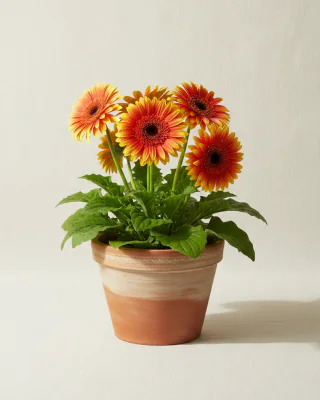 Gerbera daisyGerbera jamesoniiBright light, some sunPet-safe
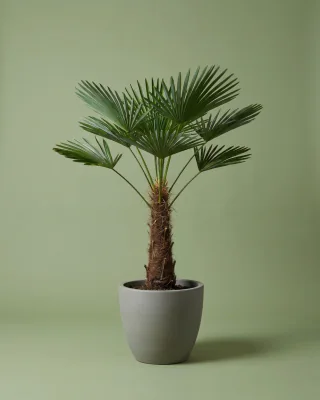 Windmill palmTrachycarpus fortuneiBright light, some sunPet-safe
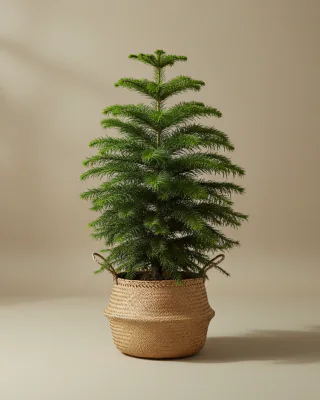 Norfolk Island pineAraucaria heterophyllaBright light, some sunPet-safe
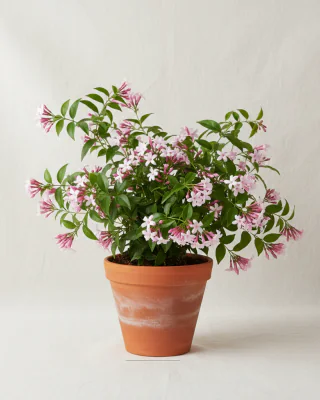 Pink jasmineJasminum polyanthumBright light, some sunPet-safe
See all pet-safe alternatives →
Pet-safety information in the JungleBook uses ASPCA reference data where available. It is reference information, not veterinary advice. Sources: NC State Extension: Curio (Senecio) rowleyanus, ASPCA: Golden Ragwort (Senecio).
All string of pearls guides
Related plants
ASPCA reference · Last reviewed: