



Sago palm repotting
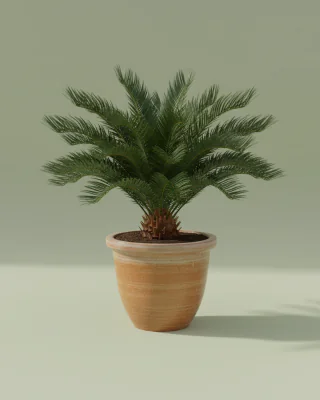
Cycas revoluta
Quick answer
Inspect the container and mix before repotting. Cycas revoluta tolerates a relatively small container, so move it only when the medium, drainage, or container is genuinely failing.
 Not sure it’s this plant?Check yours with a photo, free
Toxic to pets
Sago palm repotting
- 01
When to repot
Do not repot on a short routine calendar. Cycas revoluta tolerates root-bound conditions and can be underpotted, so inspect a failing medium, damaged drainage, or genuinely outgrown container first.
If repotting is needed, do it in spring or summer, when active growth can support recovery. Indoors, go by when the plant is actively growing.
- 02
Choosing the next pot
Choose a container that preserves the plant’s slow-growing, underpotted habit rather than a much larger volume. No universal diameter increase is set.
- 03
How to repot
Prepare a sharply draining peat-free loam-based mix with leaf mold and grit. Remove the plant carefully, keep the same planting level, and fill around the existing root ball without compacting the mix excessively.
- 04
After repotting
Return Cycas revoluta to bright filtered or indirect light. Keep the mix well drained, water moderately during active growth and sparingly at other times, and protect the plant from cold.
All sago palm guides
Keep reading
Sources3 references
- Royal Botanic Gardens, Kew: Plants of the World OnlineTaxonomy · accepted name · classification
- North Carolina State University Extension Gardener Plant ToolboxFiltered light · drainage · water · soil · frost · pests · root rot
- Royal Horticultural SocietyLight · compost · water · humidity · pests · harmful-if-eaten note
Last reviewed: