



Sago palm soil
Cycas revoluta
Quick answer
Use a sharply draining mix and a pot with drainage holes. Cycas revoluta can use peat-free loam, leaf mold, and grit. Use an acidic-to-neutral mix.
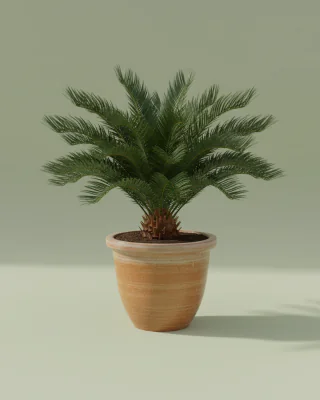
 Not sure it’s this plant?Check yours with a photo, free
Toxic to pets
Sago palm soil
- 01
Best soil mix
Use a peat-free, loam-based mix with leaf mold and grit. Cycad container alternatives include cactus mix or peat-based mix amended with coarse sand, perlite, pumice, or baked clay. No single recipe is mandatory.
Use a sharply draining medium and container with drainage holes. Cycas revoluta is intolerant of overwatering or poor drainage, and compacted or saturated cachepot conditions are unsuitable.
- 02
Match the mix to the pot and setting
Use this soil advice for a slow-growing sago palm in an indoor or under-glass container. A plant grown outdoors in a suitable climate needs bed soil and drainage planned for the garden.
- 03
Soil pH
Keep the mix in the acidic-to-neutral range. Do not add products to shift the pH without testing the mix first.
- 04
When soil alone is not the problem
Cycas revoluta tolerates crowded roots and does not need a large, frequently refreshed pot. Choose the mix by drainage rather than a fixed recipe.
All sago palm guides
Keep reading
Sources3 references
- Royal Botanic Gardens, Kew: Plants of the World OnlineTaxonomy · accepted name · classification
- North Carolina State University Extension Gardener Plant ToolboxFiltered light · drainage · water · soil · frost · pests · root rot
- Royal Horticultural SocietyLight · compost · water · humidity · pests · harmful-if-eaten note
Last reviewed: