



Best soil for parlor palm
Chamaedorea elegans
Quick answer
NC State adds that a humus-rich houseplant mix works too, as long as it drains well.
- Pet safetyPet-safe (non-toxic)




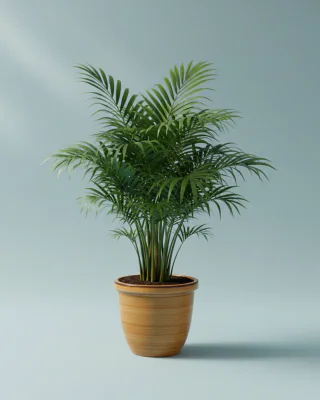
Best soil for parlor palm
- 1
Best soil for parlor palm
NC State suggests a humus-rich houseplant or container mix in well-drained soil.
More about this
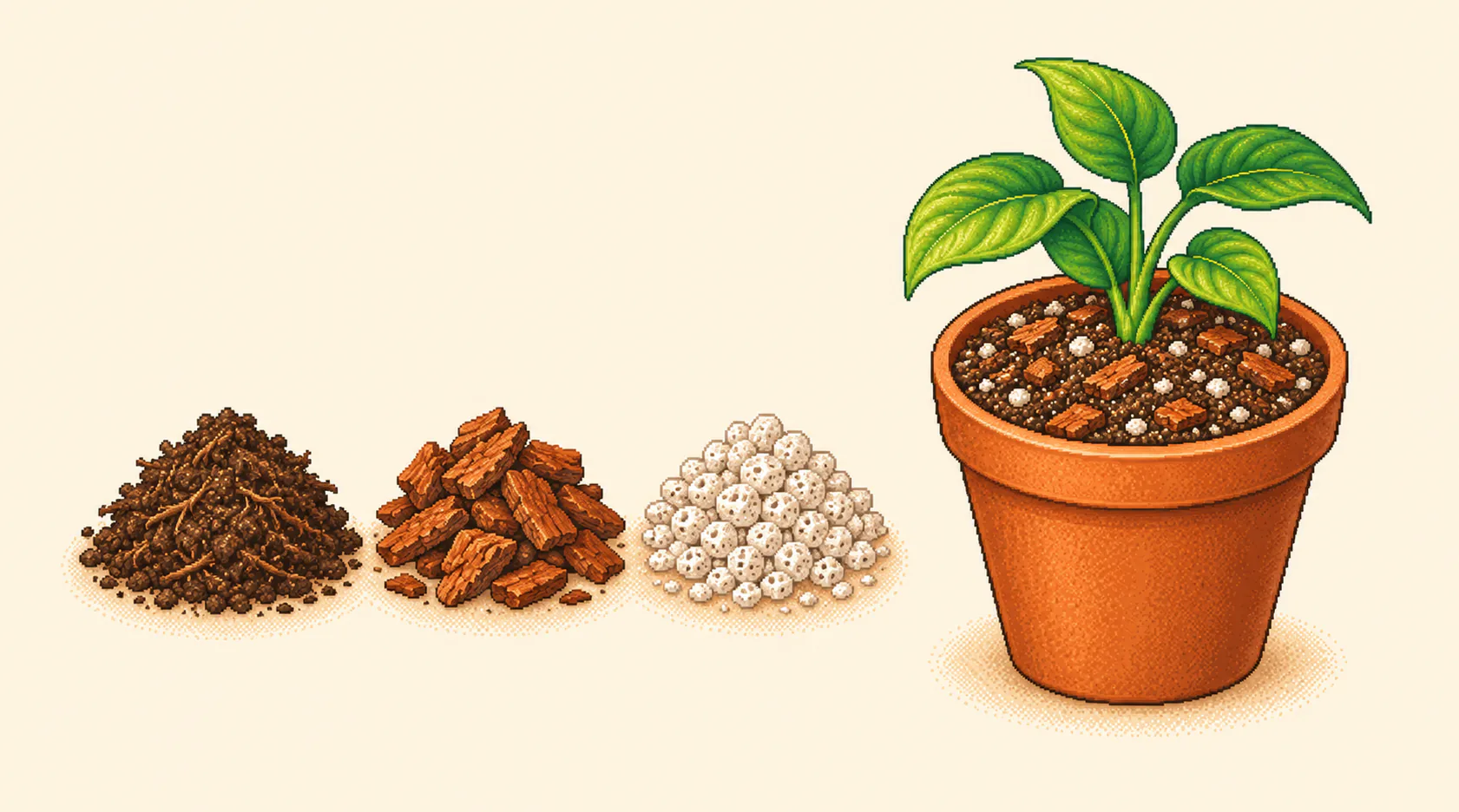
The best soil for parlor palm is a light, fast-draining, peat-free potting mix that is slightly acidic, as the RHS advises. The RHS recipe is 3 parts acidic (ericaceous) potting mix to 1 part perlite, in a pot only about 1 inch (2 cm) wider than the root ball.
The RHS recommends a light, fast-draining, peat-free and loam-free acidic potting mix, sold in the UK as ericaceous compost and in the US as mix for acid-loving plants.
UF/IFAS says parlor palm adapts to many soils as long as they drain well, but prefers organic soil, and that houseplants need a rich soil mixture. So you want a mix that is rich and holds some moisture, yet lets extra water run straight out.
- 2
Parlor palm soil mix recipe
RHS mix: 3 parts peat-free acidic potting mix to 1 part perlite.
More about this
The RHS notes that locally sourced grit or gravel is now preferred over perlite because of perlite’s environmental impact, so you can use grit in the same amount.
For indoor palms in general, the RHS also grows them in peat-free John Innes No. 2 or a peat-free multipurpose mix, and says coarse sand can be added at repotting for extra drainage.
Mix it evenly before you fill the pot, so there are no dense pockets that stay wet around the roots.
- 3
Do parlor palms like acidic soil?
Yes.
More about this
The RHS says parlor palms prefer acidic conditions and grows them in ericaceous mix, which has a pH below 7 (neutral). NC State lists acid and neutral soils, and UF/IFAS lists acidic and slightly alkaline soils among those it tolerates.
Water matters for pH too. The RHS warns that hard tap water is alkaline and can brown the leaves if you use it regularly, and recommends rainwater at room temperature. UF/IFAS rates parlor palm’s salt tolerance as poor.
- 4
The right pot and drainage
When you repot, the RHS says to move up only slightly, to a pot about 1 inch (2 cm) wider. A much larger pot can lead to root rot, because the extra mix stays wet.
More about this
UF/IFAS notes that parlor palm tolerates crowded roots well.
After watering, tip away any water left in the drip tray or outer pot after a short while, as the RHS advises. Never let the plant sit in water for long.
- 5
When to repot and refresh the soil
Parlor palms grow slowly. NC State says to repot only when needed, generally about every other year.
More about this
The RHS says they can usually stay in their original pot for several years, then need repotting in spring every few years, once the roots fill the pot.
For indoor palms, the RHS repots every two years in early spring if the plant is pot-bound, until it reaches an 8 to 12 inch (20 to 30 cm) pot; bigger pots need it less often. In years you do not repot, the RHS scrapes off about 2 inches (5 cm) of old mix from the top and replaces it with fresh mix.
- 6
Signs the soil stays too wet
In its indoor palm guide, severe browning of whole leaves can mean overwatering and root rot, and brown spots can come from overwatering or sudden chilling. UF/IFAS also warns that overwatering leads to root rot.
More about this
The RHS says overwatering can damage or kill the roots, and that waterlogging or a pot that is too large can cause rot.
Water when the surface of the mix has dried, the RHS says, and NC State lets the soil dry slightly between waterings. In winter, growth slows, so the RHS waters less and checks with a finger below the surface first.
- 7
Dividing a parlor palm at repotting
Parlor palms grow in clumps.
More about this
The RHS divides a thriving clump by taking it out of the pot and gently pulling the root ball apart, so that each new plant has one or more stems and plenty of roots.
For small offsets, the RHS indoor palm guide uses a pot of John Innes No. 2 just large enough for the roots.
- 8
Is parlor palm safe for pets?
The ASPCA lists parlor palm as non-toxic to dogs and cats, and NC State says it is not hazardous for pets.
NC State and UF/IFAS note that the fruit and sap may irritate sensitive skin, so handle any fruit with care.


Common questions
What is the best potting mix for a parlor palm?
A light, fast-draining, peat-free acidic mix. The RHS recipe is 3 parts acidic (ericaceous) potting mix to 1 part perlite, or grit in place of the perlite.
Can I use regular potting soil for a parlor palm?
Yes, if it drains well. NC State suggests a humus-rich houseplant mix, and the RHS grows indoor palms in peat-free multipurpose mix or John Innes No. 2, with coarse sand added for drainage.
Do parlor palms like acidic soil?
Yes. The RHS says they prefer acidic conditions and warns that hard, alkaline tap water can brown the leaves. NC State lists acid and neutral soils.
How often should I repot a parlor palm?
Only when the roots fill the pot. The RHS says every few years in spring, and NC State says generally about every other year. Move up to a pot only about 1 inch (2 cm) wider.
Is parlor palm toxic to cats and dogs?
No. The ASPCA lists parlor palm as non-toxic to dogs and cats.
All parlor palm guides
Keep reading
Sources5 references
- RHS: How to grow parlour palms (Chamaedorea growing guide)
- RHS: Palms, indoors
- NC State Extension Plant Toolbox: Chamaedorea elegans
- UF/IFAS Extension: Chamaedorea elegans, parlor palm (FPS119, Graves, Wilber, Wichman, Lewis, Hansen and Klein)
- ASPCA Animal Poison Control: Parlor palm
- How we check our plant advice
How we check our plant advice → · Last reviewed: