

Pests, webbing, and leaf spots on Pink quill

Visible pests or suspicious leaf spots on Pink quill should be addressed early. Use the signs below to identify the problem and choose the right treatment.

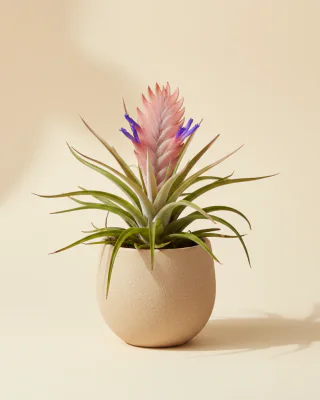
Pink quill — Tillandsia cyanea
This guide is aboutPink quill Tillandsia cyaneaPet safety unknownPink quill care guide →

Most likely cause

Mealybugs. Dab each one with a cotton swab dipped in rubbing alcohol, then treat with neem oil. Check weekly: they hide.

What’s causing it

Scale

How to tell

Small, brown, limpet-like bumps stuck to stems and the undersides of leaves, often with sticky honeydew.

The fix

Scrape them off gently with a fingernail or old toothbrush, then treat with neem oil and keep checking.

Spider mites

How to tell

Fine webbing in the leaf joints, tiny moving dots, and a stippled, dusty look to the leaves. They thrive in the dry air many homes have.

The fix

Wipe the leaves down (avoid soaking the crown), raise humidity nearby without wetting the leaves, and treat with insecticidal soap or neem oil weekly until clear. Isolate it from other plants.

Fungal leaf spot

How to tell

Brown or black spots, often with a yellow halo, usually after the leaves were wet or the roots was overwatered.

The fix

Remove affected leaves, improve airflow, avoid getting water on the foliage, and let the roots dry more between waterings.

Prevention

Inspect new plants before bringing them home, check the undersides of leaves now and then, keep humidity up to deter mites, and isolate anything infested.

More for your Pink quill

All Pink quill guides

Related plants

Same genus or the same care pattern.

Last reviewed: 2026-08-19