



How to propagate pink quill
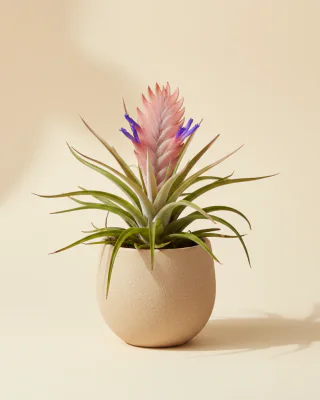
Tillandsia cyanea
Pink quill forms basal offsets. Separate one when it reaches about one-third of the parent’s size, then mount it or pot it in an airy, well-drained medium.
 Not sure it’s this plant?Check yours with a photo, free
Pet safety unknown
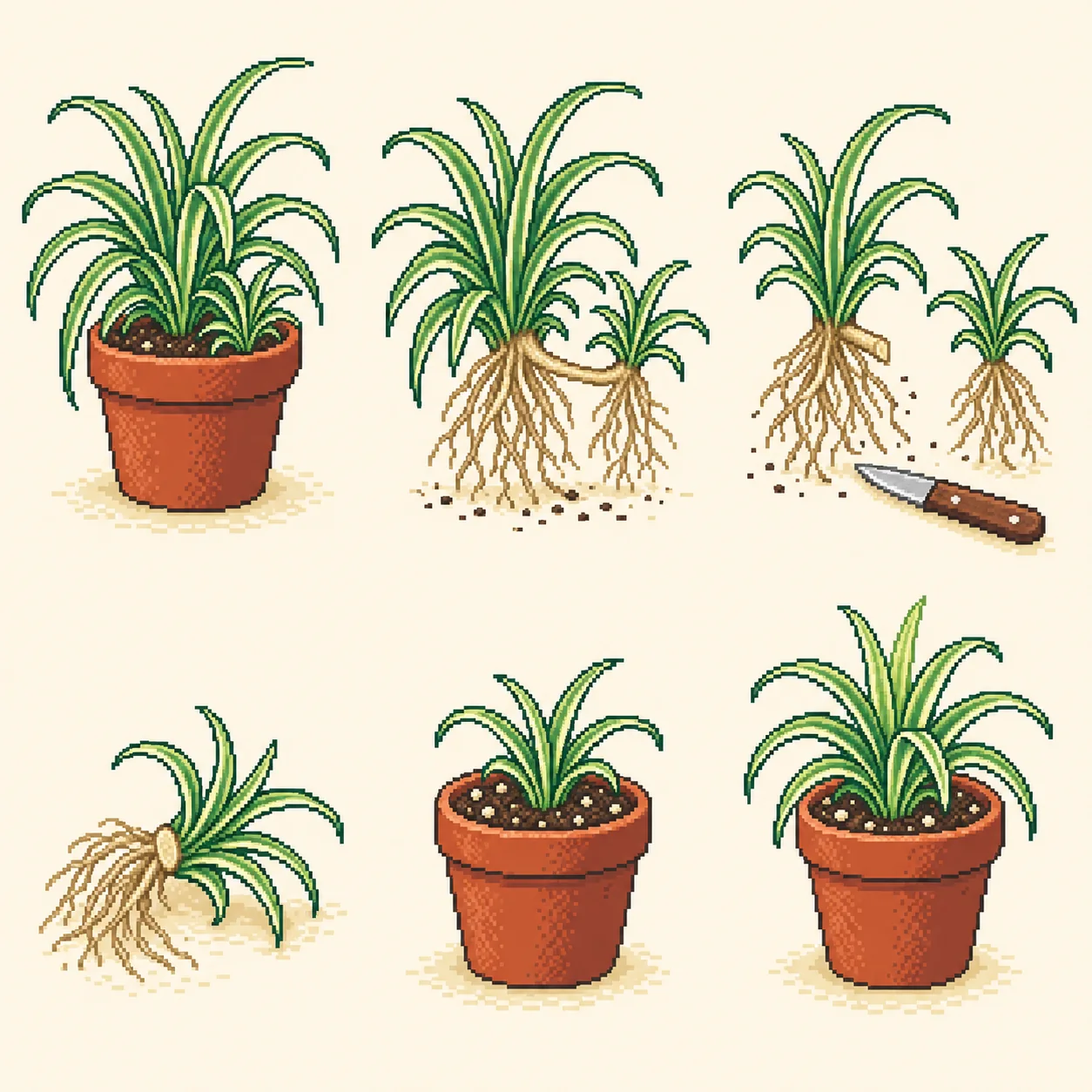
How to propagate by offsets / pups
Pink quill forms offsets at the base. The RHS says to separate one once it is at least one-third the parent size. You can mount the offset or grow it in a small pot with airy, well-drained medium.
- 01
Wait until the offset is at least one-third the size of the parent.
- 02
Separate it at the base with a clean tool, keeping the rosette intact.
- 03
Mount the offset on a suitable support, or pot it in a small container of orchid bark or a mix of orchid bark and cactus mix with good drainage.
- 04
Give bright, diffused light and good ventilation.
- 05
For a mounted plant, immerse it in rainwater from spring to autumn, then drain and let it dry. For a potted offset, water the airy medium only when needed and let it drain.
- 06
Keep water from standing in the crown or medium, and let the plant dry between waterings.
- 07
Treat the detached offset as an adult plant. Keep it well ventilated and watch for stable growth.
All pink quill guides
Related plants
Common questions
What is the best way to propagate Pink quill?
Separate a basal offset once it is at least one-third the parent’s size. Mount it on a suitable support or pot it in a small container of airy, well-drained medium.
Can Pink quill be potted after propagation?
Yes. An Oregon State Master Gardener diagnostic response supports a small container with orchid bark or bark mixed with cactus mix. The RHS also describes gluing or wiring Pink quill to a support, so choose one route and keep its drainage needs clear.
How should I water a Pink quill offset?
For a mounted offset, use rainwater and let it dry after soaking. For a potted offset, water the airy medium sparingly and let it drain, keeping water from standing in the crown.
Sources: RHS Tillandsia cyanea profile supports separating offsets at about one-third of the parent’s size, mounting, rainwater, and drying. The Oregon State Master Gardener diagnostic response supports a small container with orchid bark or bark mixed with cactus mix. The RHS air-plant guide supports airflow and drying between waterings.
7 steps · Separate at one-third parent size. Watch for stable growth · Last reviewed: