


Light for a snake plant
Sansevieria trifasciata
Quick answer
Sansevieria trifasciata tolerates very low indoor light, but brighter filtered light supports stronger growth. Treat tolerance as a survival range, not a growth optimum.
 Not sure it’s this plant?Check yours with a photo, free
Toxic to pets
Light for a snake plant
- 01
Best position and light
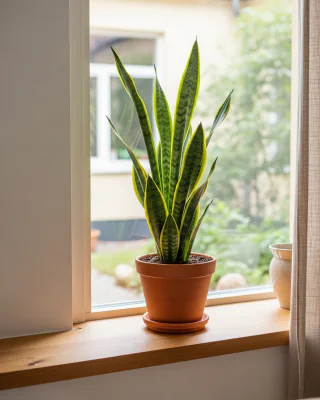
Sansevieria trifasciata tolerates very low light, but brighter light supports stronger growth. Partial sun for part of the day works well, and it copes with anything from sun to light shade. Surviving in low light is not the same as growing well.
Use a bright filtered or partial-sun position when growth is the goal, while a lower-light indoor spot can work for maintenance. Protect foliage from abrupt, intense direct sun behind glass.
- 02
Signs the light may be wrong
Weak or slow growth in a very dark position means the plant is only surviving there. Bleached or scorched patches after a move into strong sun mean the change was too abrupt.
- 03
Limits of this light guide
This guide uses the familiar Sansevieria trifasciata name. It is also sold as Dracaena trifasciata. Variegated cultivars and your particular window can change the best position.
All snake plant guides
Keep reading
Sources3 references
- Royal Botanic Gardens, Kew: Plants of the World OnlineAccepted name · homotypic synonym Sansevieria trifasciata · classification · Taxonomic synonymy · link to Dracaena trifasciata
- North Carolina State University Extension Gardener Plant ToolboxLow-light tolerance · partial sun · dry-down · winter watering · low humidity · cool temperature · pests and root rot
- Royal Horticultural Society15–24°C (59–75 °F) · low humidity · sun to light shade · free-draining compost · dry-down · pet warning · Full sun to light shade · free-draining peat-free compost · above-10°C (50 °F) warning
Last reviewed: