


Philodendron Birkin care guide
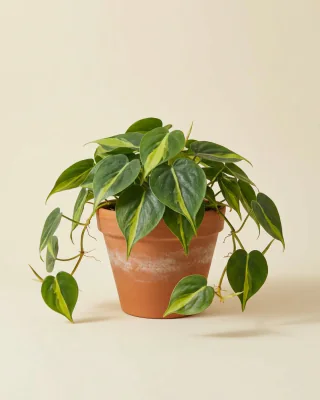
Philodendron 'Birkin'

Quick answer
Water your Philodendron Birkin when the top 4 cm (1.6 in) of soil feel dry to the touch. In summer that’s typically every 6 to 8 days.
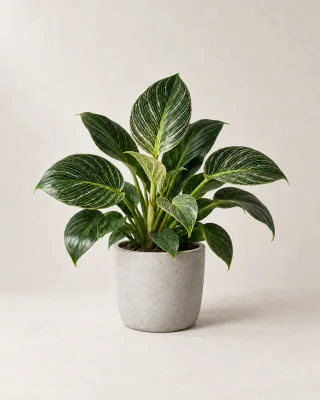
 Not sure it’s this plant?Check yours with a photo, free
At a glance
- Light
- Bright, indirect light
- Typical interval
- Every 6 to 8 days · summer
Every 14 to 22 days · winter - Climate
- 18–27 °C (64–81 °F)
- Humidity
- 50–70%
- Pet safety
- Toxic to cats and dogs
When and how to water
4 cm (1.6 in)
- Summer · Jun–AugEvery 6 to 8 days
- Winter · Dec–FebEvery 14 to 22 days
Use room-temperature water and let any excess drain. Never leave the pot sitting in standing water.
Adjust the timing for the light at the plant, the pot’s size and material, and the humidity indoors. Terracotta dries faster than glazed ceramic.
Light and placement
Bright, indirect light
Philodendron Birkin thrives in bright, indirect light. Direct midday sun can scorch the leaves. Place it 1–2 meters back from an east or west window, or behind a sheer curtain on a south window.
Feeding
Feed your Philodendron Birkin every 30 days while it’s actively growing. Use a balanced liquid houseplant fertilizer at half the strength on the label, and only on soil that’s already damp. Feeding dry roots can scorch them.
When growth pauses, skip the fertilizer and let it rest.
Temperature & humidity
Climate18–27 °C (64–81 °F)
Humidity50–70%
During leafy growth, aim for 18–27 °C (64–81 °F). For routine indoor care, keep it above about 15 °C (59 °F) and avoid cold drafts. This is a care guideline, not an exact damage threshold. Cooler overwintering depends on the species and its rest conditions.
It does best at 50–70% humidity. Ordinary room humidity suits it. A humidifier or a tray of damp gravel helps in very dry, heated rooms. Misting is not needed.
Common problems
Yellowing, drooping, and dry edges often point to watering or drainage. Compare the signs before changing the routine.
Find what’s wrong
Toxic to pets?
Yes. Keep it out of reach.
Wear gloves when you cut or repot it. Keep the sap away from your eyes and skin, and wash your hands afterwards.
Pet-safety information in the JungleBook uses ASPCA reference data where available. It is reference information, not veterinary advice. ASPCA lists the whole Philodendron genus, so this applies to every Philodendron species, including this one.
Full Philodendron Birkin toxicity guide →
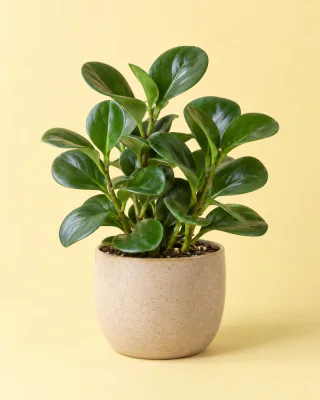
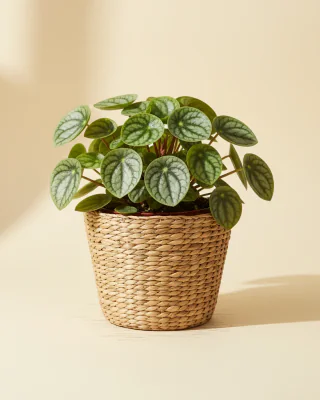
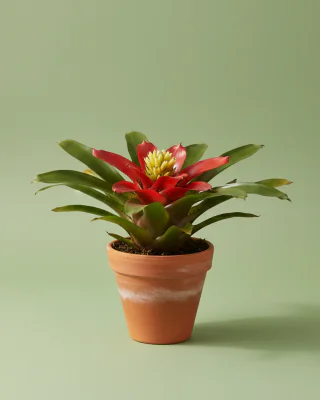
Pet-safe alternatives with similar light
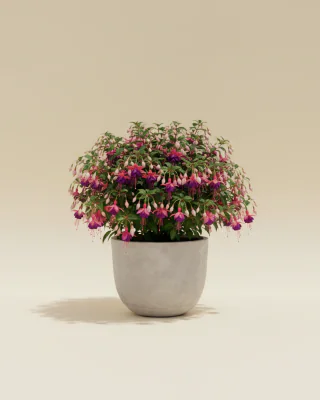
Common questions
How often should I water a Philodendron Birkin?
Water your Philodendron Birkin (Philodendron 'Birkin') when the top 4 cm (1.6 in) of soil feel dry to the touch. In summer, that’s typically every 6 to 8 days. In winter, slow down to every 14 to 22 days.
Sources2 references
- Royal Horticultural SocietyCultivar identity · partial shade · moist well-drained loam/sand · houseplant compost · light · watering · monthly feeding · repotting · pests · safety
- North Carolina State University Extension Gardener Plant ToolboxBright filtered light · moisture · slightly acidic mix · 65–85°F · 50–60% humidity · pests · root rot · leaf spots · variegation and brown tips
Last reviewed:
All Philodendron Birkin guides
Related plants
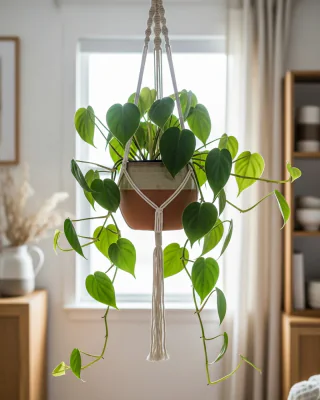 Heartleaf philodendronPhilodendron hederaceumSame genus · PhilodendronToxic to pets
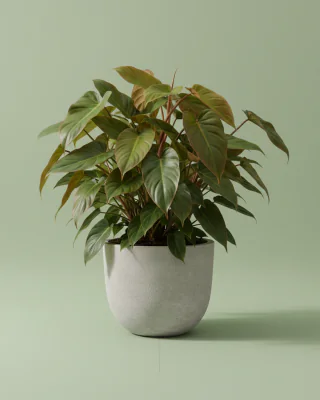 Blushing philodendronPhilodendron erubescensSame genus · PhilodendronToxic to pets
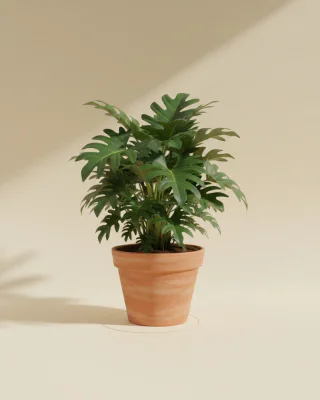 Tree philodendronPhilodendron bipinnatifidumSame genus · PhilodendronToxic to pets
 Philodendron BrasilPhilodendron hederaceum 'Brasil'Same genus · PhilodendronToxic to pets