



Best soil for croton
Codiaeum variegatum
Quick answer
The best soil for croton is a light, fast-draining potting mix that stays moist but never soggy.
- Pet safetyToxic to cats and dogs


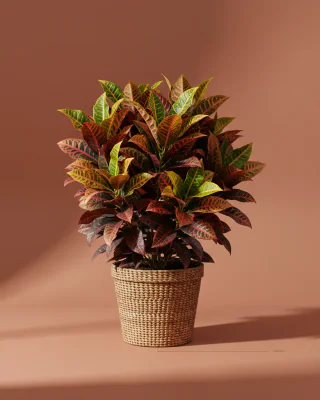
 Not sure it’s this plant?Get the free Botanicaly app and find out with a photo
Best soil for croton
- 01
The best soil for croton
NC State describes the ideal as well-drained, humus-rich soil that is occasionally dry.
More about this
The RHS mixes 3 parts peat-free ericaceous compost with 1 part grit, because crotons like slightly acidic conditions below pH 7. Repot in spring, into a pot only a little larger, once the roots fill the old one.
Wisconsin Extension says croton prefers fertile, well-drained, moist soil, and UF/IFAS recommends a good-quality potting mix with adequate drainage for container plants.
So you want a mix that holds some moisture and organic matter but lets extra water run straight through.
- 02
Croton soil recipe from the RHS
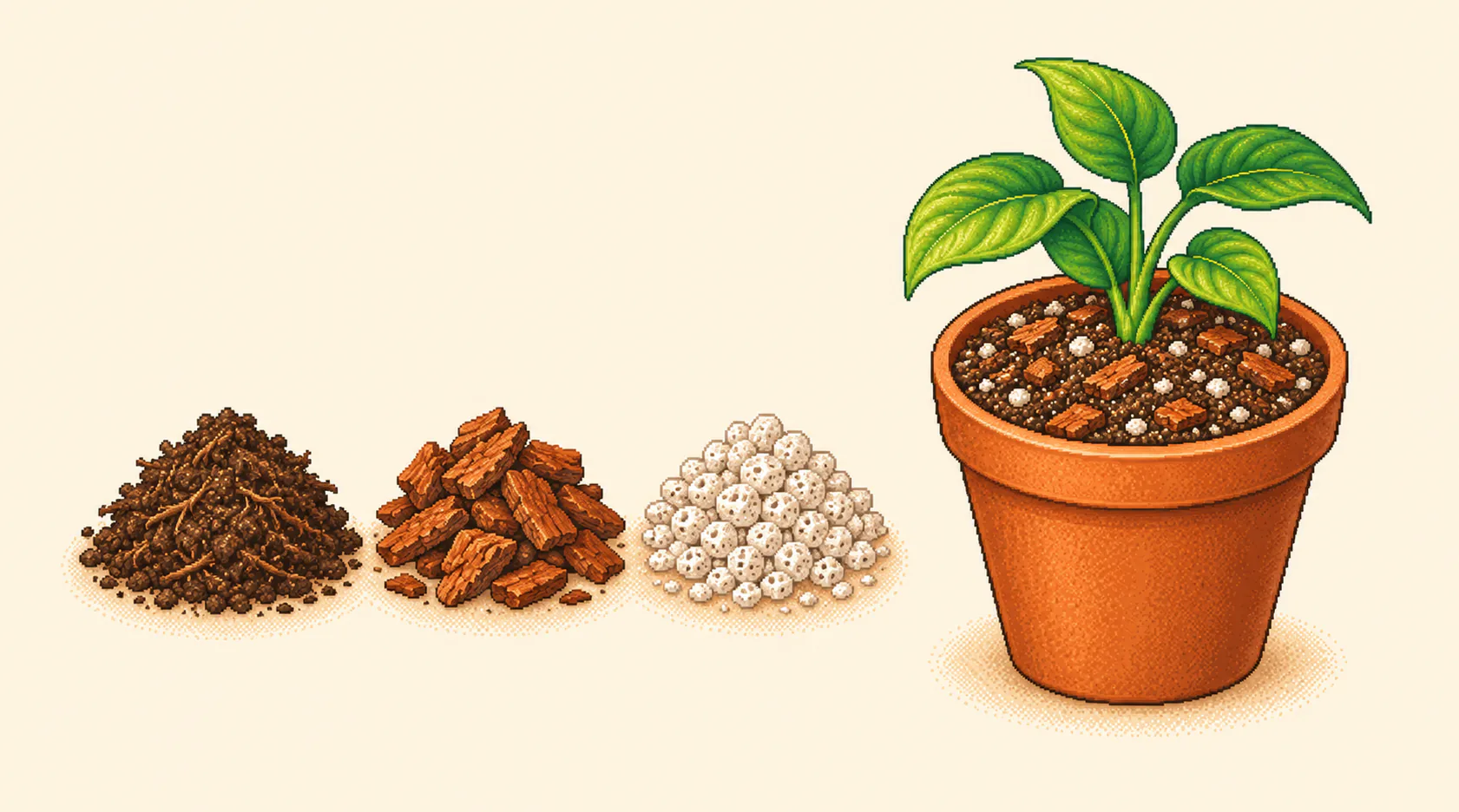
The RHS uses a light, fast-draining, loam-free mix:
More about this
3 parts peat-free ericaceous (acidic) compost and 1 part grit. The grit improves drainage, and the ericaceous compost keeps the mix acidic, below pH 7, which the RHS says suits crotons.
- 03
Moist but not soggy
Leaves drop if the plant stays too wet or too dry for long periods.
More about this
Wisconsin Extension says to water a croton only when the top 1/2 to 1 inch of soil has dried out, and less in winter.
The RHS warns that waterlogged compost causes root rot. Do not water while the compost still feels damp, and tip away any water left in the saucer. UF/IFAS adds that wilting new leaves are the sign of a thirsty plant.
- 04
Water that keeps the soil acidic
Regular watering with hard tap water makes the compost more alkaline over time, says the RHS. Where you can, use rainwater at room temperature, or softened water.
- 05
Choosing a pot for a croton
Move up only 1 to 2 inches in pot diameter, as Wisconsin Extension advises.
More about this
The RHS warns against a pot much bigger than the root ball, because the extra compost can stay wet for too long.
- 06
When to repot a croton
A new croton can stay in its original pot for one or two years, says the RHS. Repot in spring once the roots are crowded, and after that every few years, as soon as roots fill the container.
More about this
University of Illinois Extension lists the signs: roots growing through the drainage holes or on the surface, a pot full of roots, smaller new leaves and wilting between normal waterings. Knock the plant out gently, unwind circling roots, replant at the same depth in fresh mix, press the mix around the roots and water right away.
- 07
Wear gloves when repotting
All parts are poisonous, so keep the plant and any broken pieces away from children and pets.
More about this
Croton sap is white and latex-like and irritates skin and eyes, says the RHS, which advises gloves when handling the plant.


Common questions
What is the best potting mix for a croton?
A light, fast-draining, slightly acidic mix. The RHS uses 3 parts peat-free ericaceous compost to 1 part grit.
Do crotons like acidic soil?
Yes. The RHS says acidic conditions below pH 7 suit crotons and recommends ericaceous compost and rainwater rather than hard tap water.
Can I use regular potting soil for a croton?
UF/IFAS recommends a good-quality potting mix with adequate drainage. The RHS adds grit for drainage and uses an ericaceous compost to keep it acidic.
How often should I water a croton?
Only when the top 1/2 to 1 inch of soil has dried out, says Wisconsin Extension, and less in winter. Never leave it standing in water.
How often should I repot a croton?
Every few years, in spring, once roots fill the pot. The RHS says a new plant can stay in its pot for one or two years.
All croton guides
Keep reading
Sources5 references
Last reviewed: