


How to prune a Camellia
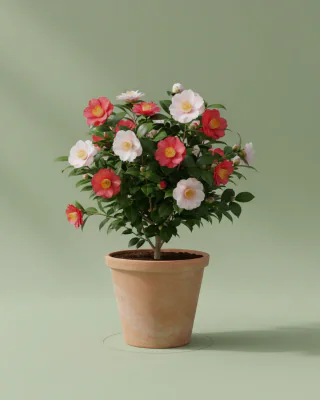
Camellia japonica
Quick answer
Prune a camellia after flowering only when needed: remove dead, damaged or rubbing growth, and use selective cuts for shape rather than a routine hard cut.
 Not sure it’s this plant?Check yours with a photo, free
Pet-safe
How to prune a Camellia
- 01
Choose what to remove
Routine cuts target dead, damaged, rubbing, unproductive, disproportionately long or unruly limbs and shoots rather than the whole canopy.
Pruning is mainly for light shaping, size correction and removal of damaged or unproductive growth. It is not required to force flowering on a healthy camellia.
- 02
Prune at the right time
If shaping is needed, prune after flowering. March is a better time for hard pruning, and later pruning can remove next season’s flower buds.
- 03
Make one clean cut
For a misshapen or oversized plant, remove selected limbs back to a lateral branch or lateral bud inside the canopy. Otherwise limit cuts to dead, damaged or rubbing material and light shaping.
- 04
When pruning will not help
Camellia japonica normally needs little pruning. Hard pruning can mean a year or two with few flowers, and pruning after bud setting can remove flowers intended for the next season.
- 05
Care for the plant after pruning
After pruning, keep the root zone evenly damp through summer, when next year’s flower buds are produced, and continue normal sheltered growing conditions.
All Camellia guides
Keep reading
Sources3 references
- Royal Botanic Gardens, Kew: Plants of the World OnlineTaxonomy · accepted name · native range · classification
- Royal Horticultural SocietyQuick facts · Choosing camellias · Where to plant · Watering · Feeding · Overwintering · Problems
- University of Florida IFAS ExtensionGeneral Culture: Soils · Exposure · Fertilization · Watering · Pests and Diseases
Last reviewed: