


Camellia yellow leaves: causes and checks
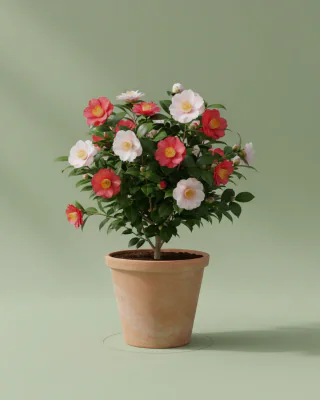
Camellia japonica
Quick answer
Start with leaf age and pattern: older lower leaves may yellow and drop naturally, while new yellowing, color between green veins, or blotches call for a soil and root check.
 Not sure it’s this plant?Check yours with a photo, free
Pet-safe
Which leaves are yellow?
Yellow Camellia japonica leaves may show an even color change, color between green veins, irregular blotches, or normal yellowing and drop of older lower leaves. Pattern and leaf age are the first observations to record.
Check whether yellowing affects new or old leaves, sits between green veins, appears as irregular cream or yellow blotches, follows a wet root zone, or is limited to old basal foliage that is otherwise healthy.
Possible causes and next checks
Yellow leaves can follow alkaline soil or potting mix limiting iron or manganese, root stress from wet or poorly drained conditions, natural shedding of old leaves, and camellia virus symptoms when mottling or deformation is present.
Test the growing medium before adding nutrients. For an acid-loving plant in a container, correct an unsuitable medium with appropriate ericaceous mix and address drainage or root stress, while leaving healthy old-leaf shedding under observation.
What to watch next
Recheck new growth and the yellowing pattern after the medium and root-zone conditions have been corrected. Persistent irregular blotches or branch-limited symptoms need specialist plant-disease review rather than repeated feeding. Existing yellow tissue may not return to green.
All Camellia guides
Keep reading
Related plants
Last reviewed: