



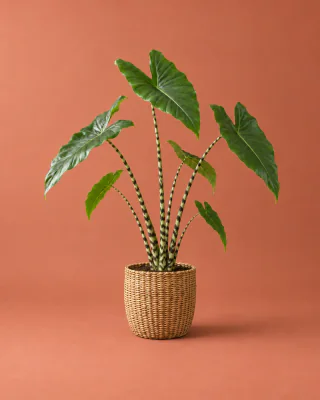
Is Alocasia zebrina toxic to cats and dogs?
Toxic to cats and dogs
How serious (ASPCA): mild.
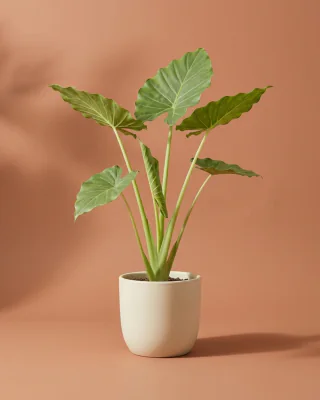
Alocasia zebrina


Go to a vet now Trouble breathing, trouble swallowing, or swelling at the back of the throat.
Call your vet today Vomiting or diarrhea, a pet that will not eat, or a large amount eaten.
Usually settles at home Drooling, head shaking or pawing at the mouth right after a bite. The ASPCA says many of these exposures can be managed at home and long-term effects are not expected.
Alocasia zebrina contains insoluble calcium oxalate crystals.
Last reviewed: . How we check our plant advice
My pet ate some: what to do now
What to do if your pet ate it
If you think your cat or dog ate any part of an Alocasia zebrina, act quickly. Do not wait for symptoms to appear.
- Remove the plant from the pet’s reach.
- Call your vet or an emergency animal clinic immediately.
- When you call, have the plant’s name or a photo ready. Tell the vet roughly how much your pet ate and when.
Do not induce vomiting unless a vet specifically instructs you to. It can make some poisonings worse.

Which parts, how fast, how long
These facts are for every plant with insoluble calcium oxalate crystals, and this plant has them.
Which parts The ASPCA says the needle-like crystals are in the leaves, stems and stalks.
How fast Right away. Merck lists immediate pain, irritation, drooling and pawing at the mouth after a bite.
How long The ASPCA says the severity is low and long-term effects are not expected.


Non-toxic plants for similar light
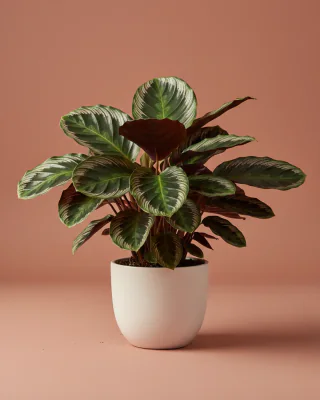 Rose-painted calatheaCalathea roseopictaBright, indirect lightPet-safe
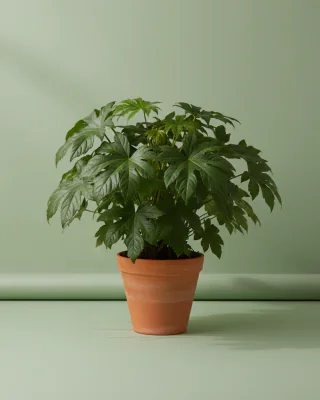 Japanese araliaFatsia japonicaBright, indirect lightPet-safe
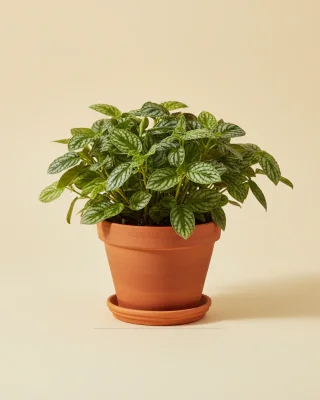 Aluminum plantPilea cadiereiBright, indirect lightPet-safe
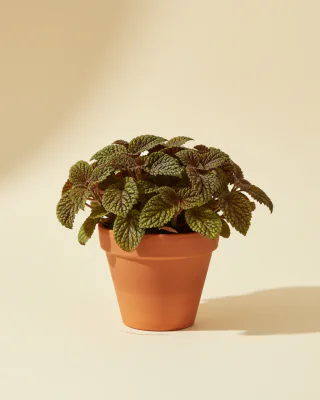 Friendship plantPilea involucrataBright, indirect lightPet-safe
See all pet-safe alternatives →
Pet-safety information in the JungleBook uses ASPCA reference data where available. It is reference information, not veterinary advice. ASPCA lists the whole Alocasia genus, so this applies to every Alocasia species, including this one. Sources: ASPCA: These houseplants can cause trouble for your pets, Merck Veterinary Manual: Houseplants and ornamentals toxic to animals.
All Alocasia zebrina guides
Related plants
Common questions
Is Alocasia zebrina toxic to cats?
Yes, Alocasia zebrina, which contains insoluble calcium oxalate crystals, is toxic to cats. If your cat chews or ingests any part of the plant, contact your vet or the ASPCA Animal Poison Control Center right away. Symptoms can include pain and swelling of the mouth, tongue and lips, heavy drooling, vomiting.
Is Alocasia zebrina toxic to dogs?
Yes, Alocasia zebrina is toxic to dogs. Contact your vet immediately if your dog eats any part of it. Do not wait for symptoms.
What should I do if my cat ate Alocasia zebrina?
Call your vet or an emergency animal clinic immediately. You can also contact the ASPCA Animal Poison Control Center (24/7). Try to bring a piece of the plant or a photo so the vet can identify the species. Do not try to induce vomiting unless instructed by a professional.
Can I keep Alocasia zebrina with pets?
Alocasia zebrina is toxic to cats and dogs, so it is best kept out of reach: ideally in a room your pets cannot access, or replaced with a non-toxic alternative. See the pet-safe alternatives listed on this page.
How we check our plant advice → · ASPCA reference · Last reviewed: