Alocasia amazonica care guide
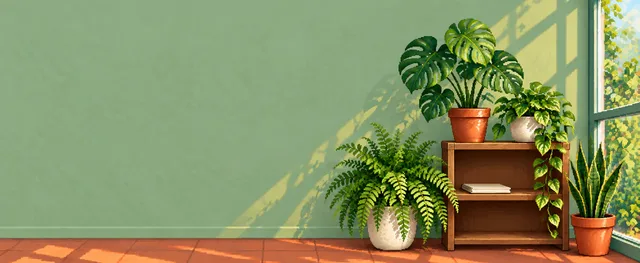
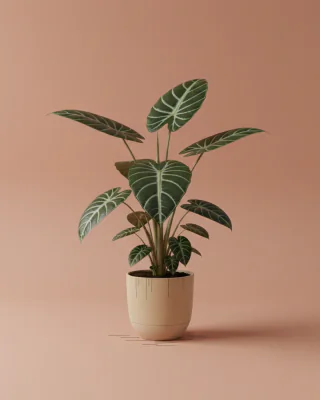
Give Alocasia amazonica, sold as 'Polly', bright indirect light, at least 16 °C (61 °F) and humid air.
 Not sure it’s this plant?Check yours with a photo, free
At a glance
- Light
- Bright, indirect, no direct sun
- Water
- When the top 5 cm (2 in) of compost is dry
- Climate
- At least 16 °C (61 °F), above 15 °C (59 °F) in winter
- Humidity
- Humid air, a pebble tray helps
- Pet safety
- Toxic to cats and dogs
Why it drops leaves in winter
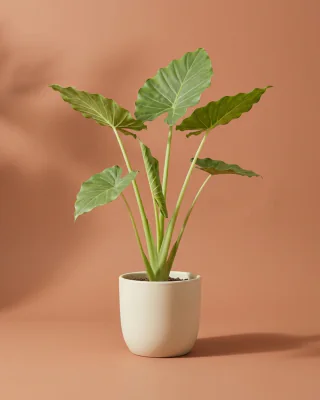
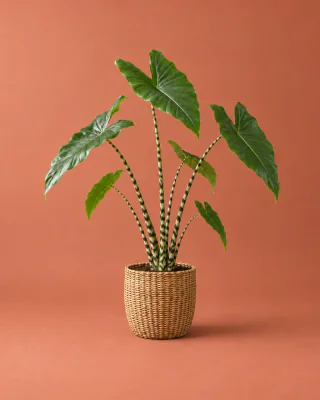
Alocasia amazonica 'Polly' is a compact hybrid, usually under half a meter, with dark green, shield-shaped leaves, silvery veins and purple undersides. It is often sold as African mask plant.
In winter it rests. Growth stops and it may lose some leaves, which is normal. Keep it warm, above 15 °C (59 °F), water much less and do not feed it. New leaves come when it starts growing again in spring.
Repot it in spring every couple of years, into a pot about 5 cm (2 in) wider, using peat-free houseplant compost mixed with grit, about 3 parts compost to 1 part grit. The small offsets that appear at the base can be separated in spring and potted on their own.
When and how much water
5 cm (2 in)
When the top 5 cm (2 in) of compost is dry
From April to October, water it when the top 5 cm (2 in) of compost is dry. Water until it runs out of the bottom of the pot, then empty the saucer. Turn the pot a little each time so the leaves do not lean toward the light.
In winter, water only enough to keep the compost from drying out completely. A cool, wet pot is the most common way to lose an alocasia, because the rhizome and roots rot.
Light and placement
Place it in bright, indirect light, close to a window but out of direct sun, which scorches the leaves. It tolerates less light but then grows very slowly.
Feeding
From April to October, give a general liquid houseplant fertilizer every 2 to 3 weeks. Stop feeding in winter, while it rests.
Temperature & humidity
Keep it at 16 °C (61 °F) or warmer while it grows, away from cold drafts. In winter it can stand a little cooler, but keep it above 15 °C (59 °F). Below 10 °C (50 °F) the leaves are damaged.
Alocasias like humid air from spring to autumn. Stand the pot on a tray of gravel with water just below the surface of the stones, group it with other plants, or use a humidifier. A bathroom with a bright window also works. Dry air browns the leaf edges and brings spider mites.
Toxic to pets?
Yes. Keep it out of reach.
Pet-safety information in the JungleBook uses ASPCA reference data where available. It is reference information, not veterinary advice. ASPCA lists the whole Alocasia genus, so this applies to every Alocasia species, including this one.
Full Alocasia amazonica toxicity guide →
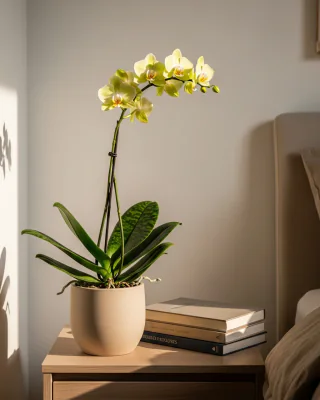
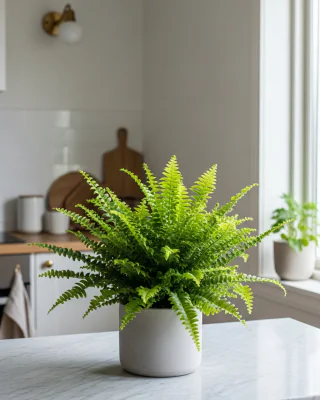
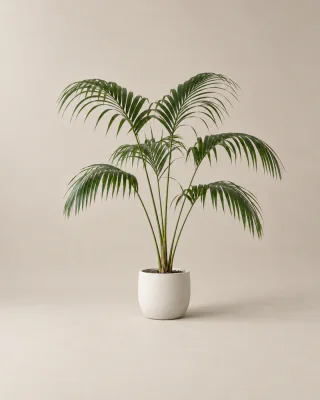
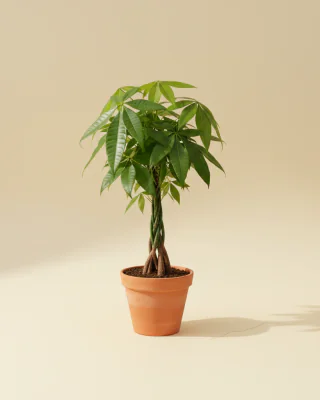
Pet-safe alternatives with similar light
Common questions
How often should I water Alocasia Polly?
From April to October, water when the top 5 cm (2 in) of compost is dry, until water runs out of the pot. In winter, water only enough to keep the compost from drying out completely.
Why is my Alocasia Polly dropping leaves?
In winter, losing a few leaves is normal, because the plant rests. At other times check for cold drafts, a temperature below 15 °C (59 °F), soggy compost or spider mites on the leaf undersides.
Why are the leaf edges turning brown?
Dry air is the most common cause. Raise the humidity with a pebble tray, a humidifier or by grouping plants, and keep it away from radiators.
How much light does Alocasia Polly need?
Bright, indirect light, close to a window but out of direct sun. Direct sun scorches the leaves, and in low light it barely grows.
What pests attack Alocasia Polly?
Spider mites are the most common, especially in dry air. Mealybugs and aphids can also appear. Check the leaf undersides when you water.
Is Alocasia Polly poisonous to cats and dogs?
Yes. ASPCA lists the whole Alocasia genus as toxic to cats and dogs. Chewing it causes mouth pain and swelling, heavy drooling, vomiting and difficulty swallowing. Keep it out of reach and call your vet if your pet chewed it.
Sources
- This guide follows established plant-care guidance and official ASPCA pet-safety references. How we verify our plant data →
- Sources: the RHS Alocasia × amazonica 'Polly' profile and the RHS Alocasia growing guide support the light, watering, feeding, temperature, humidity, winter rest, repotting and pest guidance. NC State Extension supports the minimum temperature, the pests and the risk of rot from overwatering. The ASPCA Alocasia record supports the pet-toxicity wording.
Last reviewed: