Desert rose care guide
Adenium obesum
How to keep desert rose healthy at home: how much to water it, the light it needs, and how to catch common problems early.
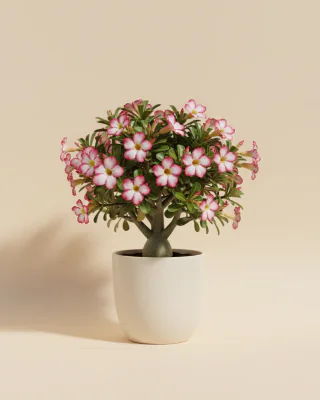
 Not sure it’s this plant?Check yours with a photo, free
At a glance
- Light
- Bright / direct light
- Typical interval
- Every 8 to 12 days · summer
No water while dormant · winter - Climate
- 13–35 °C (55–95 °F)
- Humidity
- 30–60%
- Pet safety
- Toxic to cats and dogs
When and how to water
- Summer · Jun–AugEvery 8 to 12 days
- Winter · Dec–FebNo water while dormant
Water your desert rose when the soil has dried out completely, typically every 8 to 12 days while it grows. When growth stops in autumn and the leaves die back or drop, it is going dormant: stop watering and start again only when new growth appears. Dry soil during this rest is normal and does not mean it needs water. Let any excess drain and never leave the pot sitting in water.
Light and placement
Bright / direct light
Desert rose needs several hours of direct sun. Turn the pot every week so it grows evenly. Place it directly in front of a south- or southwest-facing window.
Feeding
Feed monthly with low-dose liquid fertilizer during summer growth, following the label directions. Do not feed during winter rest.
Temperature & humidity
Climate13–35 °C (55–95 °F)
Humidity30–60%
During leafy growth, aim for 13–35 °C (55–95 °F). For routine indoor care, keep it above about 13 °C (55 °F) and avoid cold drafts. This is a care guideline, not an exact damage threshold. Cooler overwintering depends on the species and its rest conditions.
It does best at 30–60% humidity. It doesn’t need misting.
Common problems
Yellowing, drooping, and dry edges often point to watering or drainage. Compare the signs before changing the routine.
Find what’s wrong
Toxic to pets?
Yes. Keep it out of reach.
Wear gloves when you cut or repot it. Keep the sap away from your eyes and skin, and wash your hands afterwards.
Pet-safety information in the JungleBook uses ASPCA reference data where available. It is reference information, not veterinary advice.
Full desert rose toxicity guide →
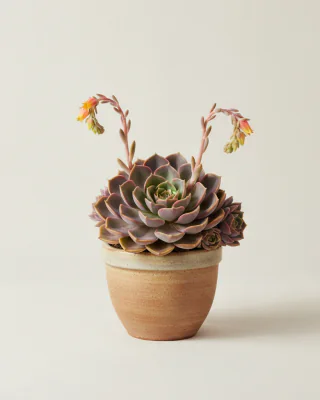
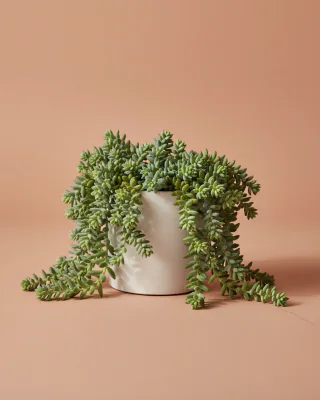
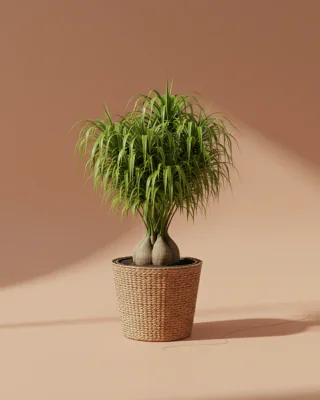
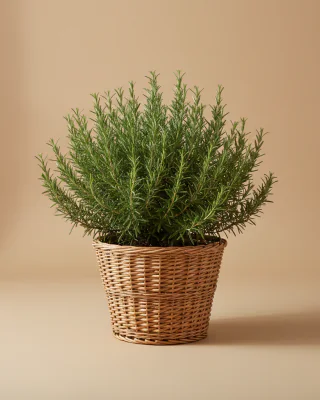
Pet-safe alternatives with similar light
Sources5 references
- Royal Botanic Gardens, Kew: Plants of the World OnlineAccepted name · classification · native range
- University of Florida IFAS ExtensionIndoor/Home/Office Cultivation Information
- Oregon State University Landscape PlantsPlant description · houseplant use · temperature · container medium
- University of Florida IFAS Extension blogCauses discussed for yellowing or dropping leaves
- ASPCA Animal Poison ControlScientific name · toxic principle · dog, cat, and horse toxicity · clinical signs
Last reviewed: