



Is lavender toxic to cats and dogs?
Toxic to cats and dogs
Lavender · Lavandula angustifolia


Lavender is toxic to cats and dogs if chewed or ingested.
My pet ate some: what to do now
 Not sure it’s this plant?Get the free Botanicaly app: it names the plant from a photo and warns you if it’s known to be toxic

What to do if your pet ate it
If you think your cat or dog ate any part of a lavender, act quickly. Do not wait for symptoms to appear.
- Remove the plant from the pet’s reach.
- Call your vet or an emergency animal clinic immediately.
- When you call, have the plant’s name or a photo ready. Tell the vet roughly how much your pet ate and when.
Do not induce vomiting unless a vet specifically instructs you to. It can make some poisonings worse.
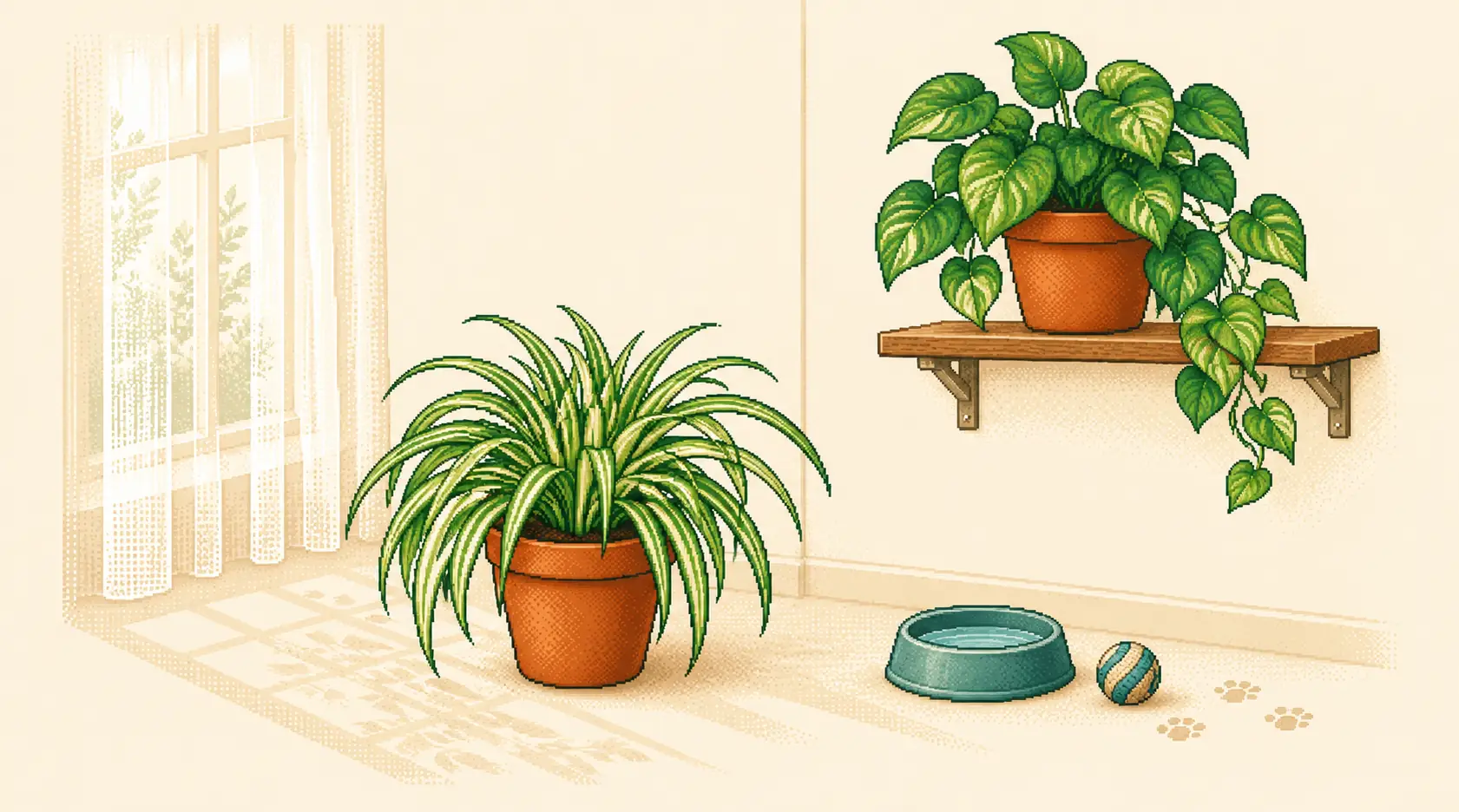

Symptoms
Symptoms may include:
- Vomiting
- Diarrhea
- Drooling
- Loss of appetite

Non-toxic plants for similar light
 Arabian jasmineJasminum sambacBright / direct lightPet-safe
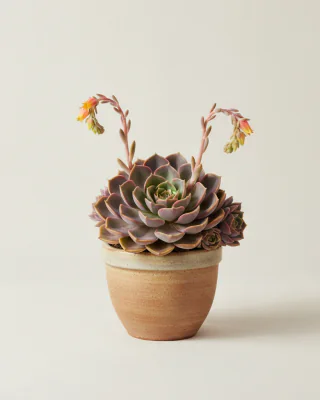 EcheveriaEcheveria spp.Bright / direct lightPet-safe
 Donkey’s tailSedum morganianumBright / direct lightPet-safe
 Ponytail palmBeaucarnea recurvataBright / direct lightPet-safe
See all pet-safe alternatives →
Pet-safety information in the JungleBook uses ASPCA reference data where available. It is reference information, not veterinary advice.
All lavender guides
Related plants

Common questions
Is lavender toxic to cats?
Yes, lavender is toxic to cats. If your cat chews or ingests any part of the plant, contact your vet or the ASPCA Animal Poison Control Center right away. Symptoms can include vomiting, diarrhea, and drooling.
Is lavender toxic to dogs?
Yes, lavender is toxic to dogs. Contact your vet immediately if your dog eats any part of it. Do not wait for symptoms.
What should I do if my cat ate lavender?
Call your vet or an emergency animal clinic immediately. You can also contact the ASPCA Animal Poison Control Center (24/7). Try to bring a piece of the plant or a photo so the vet can identify the species. Do not try to induce vomiting unless instructed by a professional.
Can I keep lavender with pets?
Lavender is toxic to cats and dogs, so it is best kept out of reach: ideally in a room your pets cannot access, or replaced with a non-toxic alternative. See the pet-safe alternatives listed on this page.
ASPCA reference · Last reviewed: