



Is Ming aralia toxic to cats and dogs?
Quick answer
Ming aralia is toxic to cats and dogs if chewed or ingested.
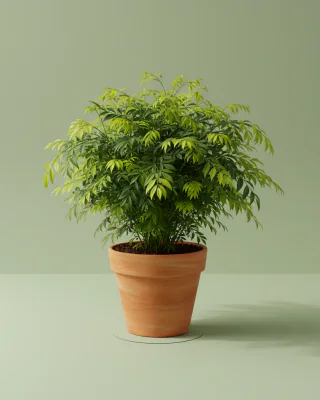
 Not sure it’s this plant?Check yours with a photo, free
Ming aralia Polyscias fruticosa
What to do if your pet ate it
If you think your cat or dog ate any part of a Ming aralia, act quickly. Do not wait for symptoms to appear.
- Remove the plant from the pet’s reach.
- Call your vet or an emergency animal clinic immediately.
- When you call, have the plant’s name or a photo ready. Tell the vet roughly how much your pet ate and when.
Do not induce vomiting unless a vet specifically instructs you to. It can make some poisonings worse.
Symptoms
The sources we cite list no specific signs for this plant. If your pet chewed it, call your vet even if it seems well.
Non-toxic plants for similar light
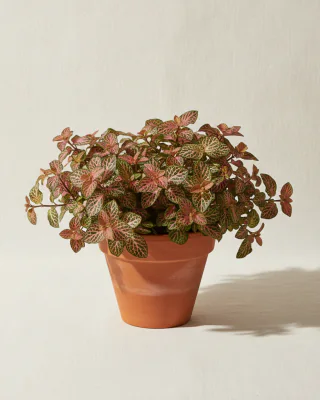 Nerve plantFittonia verschaffeltiiBright, indirect lightPet-safe
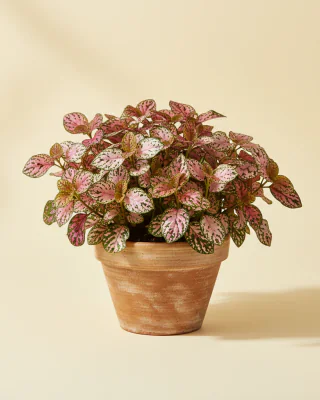 Polka dot plantHypoestes phyllostachyaBright, indirect lightPet-safe
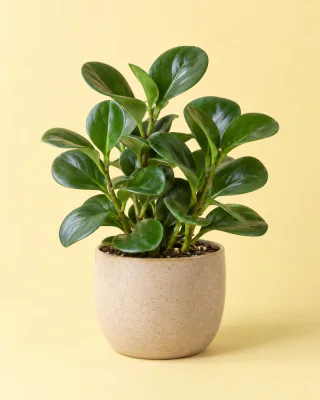 Baby rubber plantPeperomia obtusifoliaBright, indirect lightPet-safe
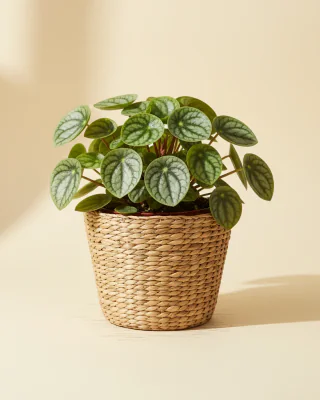 Watermelon peperomiaPeperomia argyreiaBright, indirect lightPet-safe
See all pet-safe alternatives →
Pet-safety information in the JungleBook uses NC State Extension Plant Toolbox where available. It is reference information, not veterinary advice. NC State Extension Plant Toolbox lists the whole Polyscias genus, so this applies to every Polyscias species, including this one.
All Ming aralia guides
Related plants
Last reviewed: