


Panda plant care guide
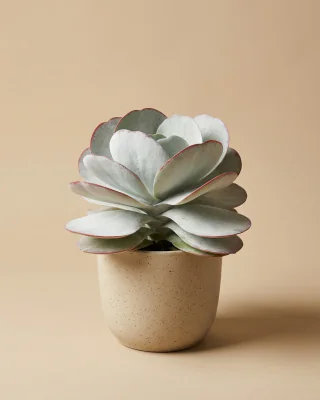
Kalanchoe tomentosa
Quick answer
Water your panda plant when the top 5 cm (2 in) of soil feel dry. In summer that’s typically every 11 to 17 days.
- WateringEvery 11 to 17 days · summer
Every 22 to 34 days, sometimes less often · winter - LightBright / direct light
- Climate15–24 °C (59–75 °F)
- Pet safetyToxic to cats and dogs


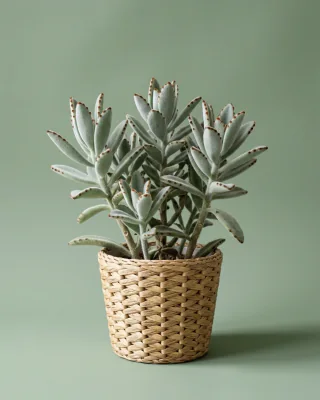
 Not sure it’s this plant?Get the free Botanicaly app and find out with a photo
When and how to water
5 cm (2 in)
- Summer · Jun–AugEvery 11 to 17 days
- Winter · Dec–FebEvery 22 to 34 days, sometimes less often
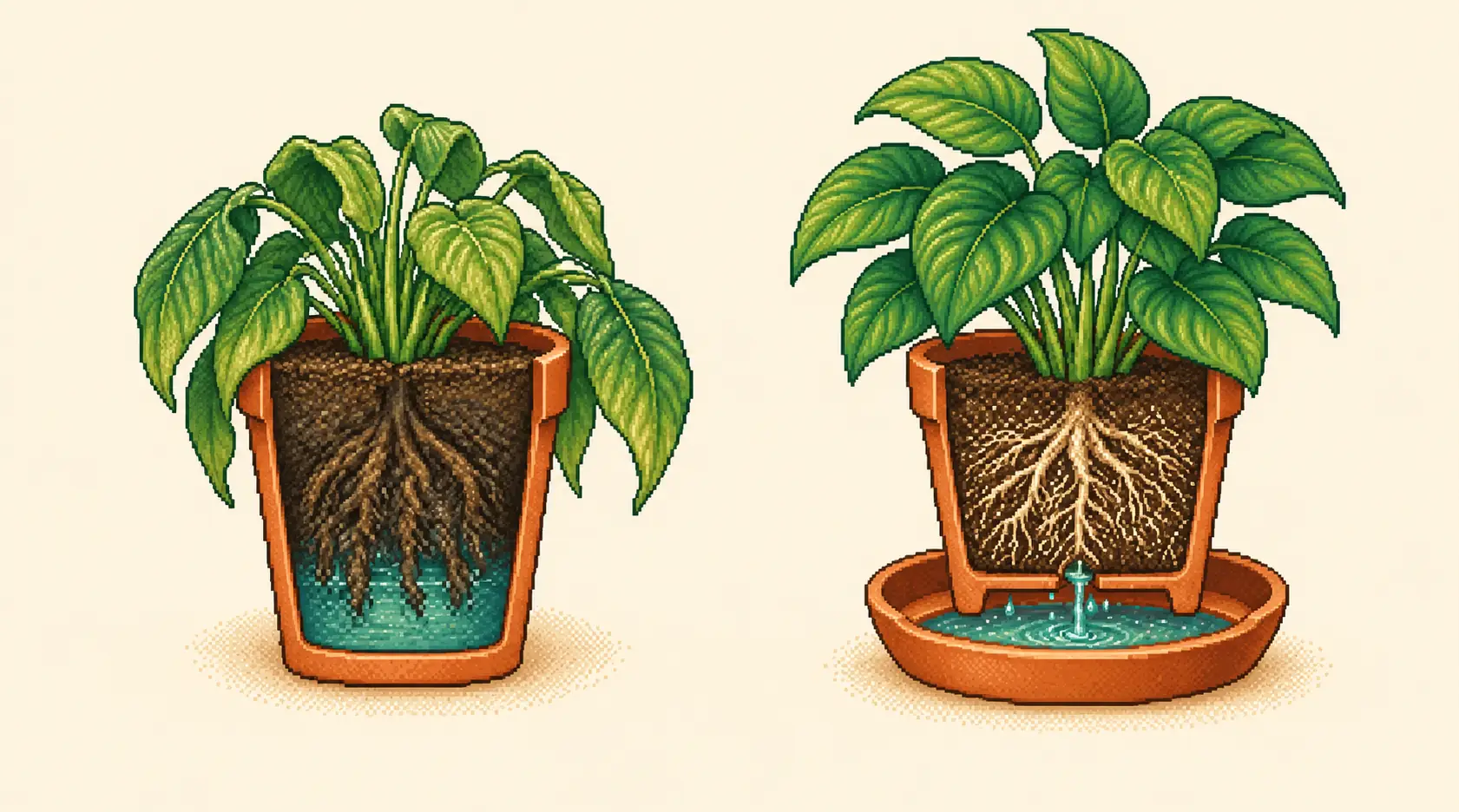
Use room-temperature water and let any excess drain. Never leave the pot sitting in standing water.
Adjust the timing for the light at the plant, the pot’s size and material, and the humidity indoors. Terracotta dries faster than glazed ceramic.
Work out your own rhythm with the watering calculator.
Light and placement
Bright / direct light
Panda plant needs several hours of direct sun. Turn the pot every week so it grows evenly. Place it directly in front of a south- or southwest-facing window.

Feeding
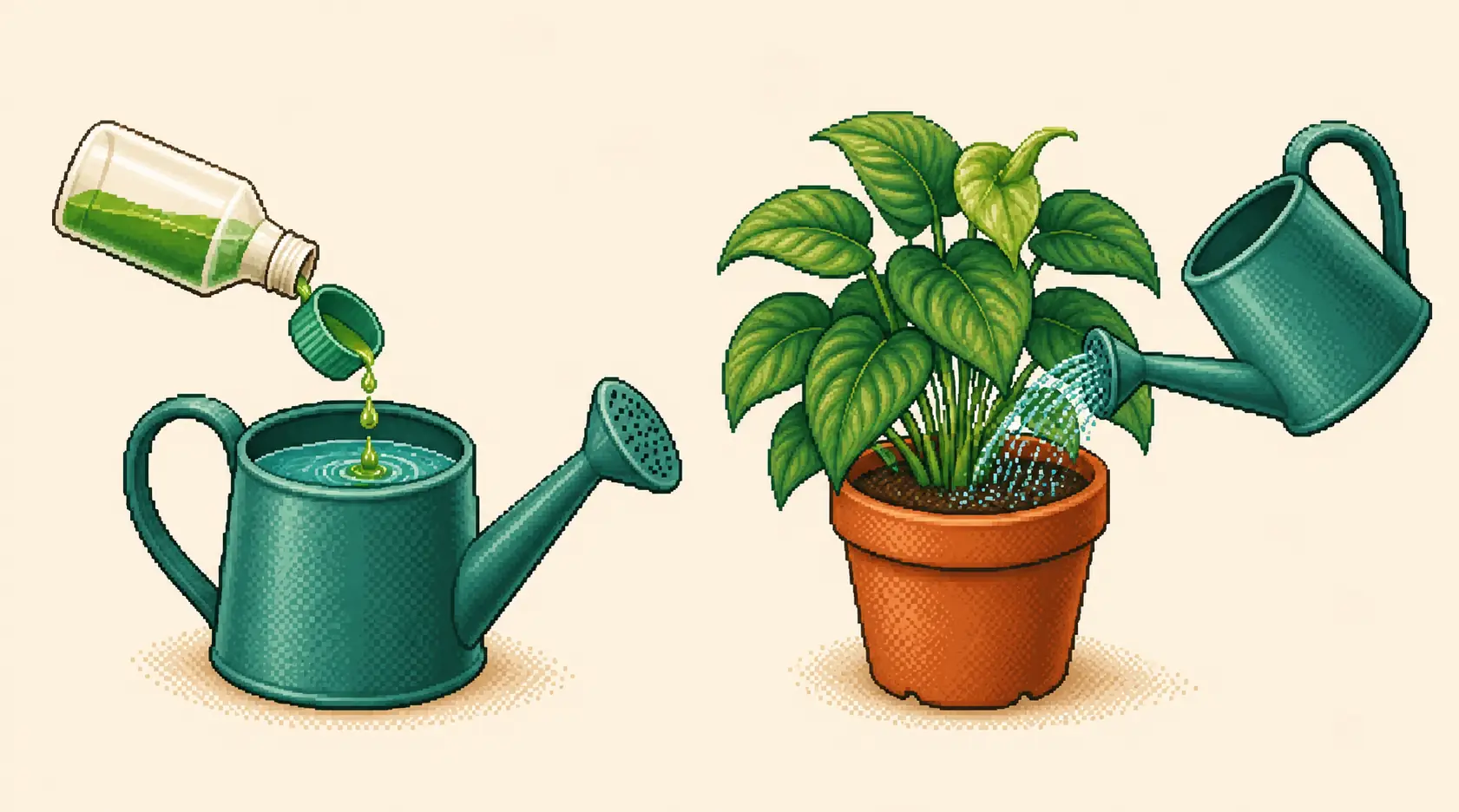
Feed your panda plant every 30 days while it’s actively growing. Use a cactus and succulent fertilizer, which is lower in nitrogen, at half the strength on the label, and only on soil that’s already damp.
When growth pauses, skip the fertilizer and let it rest.
Temperature & humidity
Climate15–24 °C (59–75 °F)
Humidity30–50%
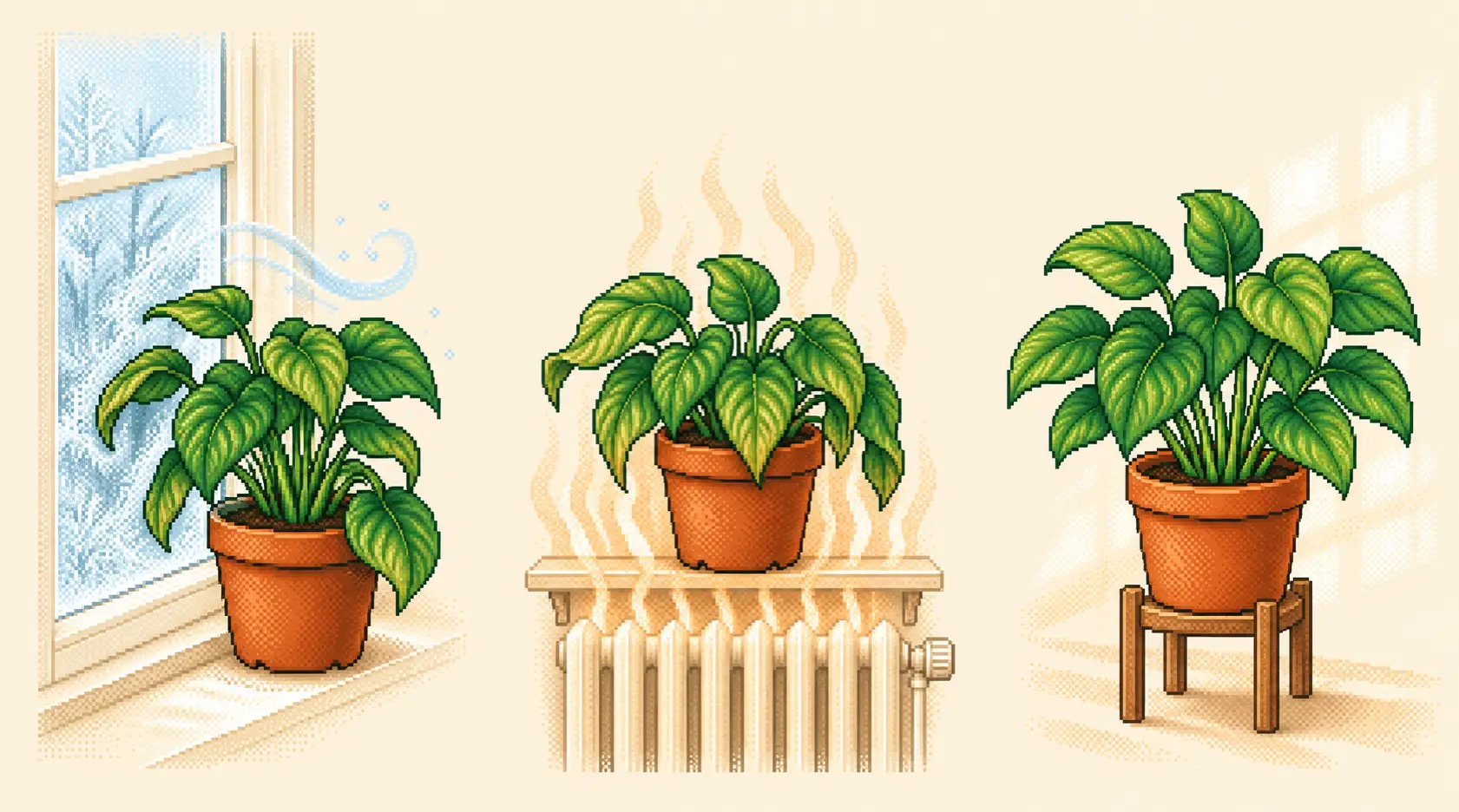
During leafy growth, aim for 15–24 °C (59–75 °F). For routine indoor care, keep it above about 10 °C (50 °F) and avoid cold drafts. This is a care guideline, not an exact damage threshold. Cooler overwintering depends on the species and its rest conditions.
It does best at 30–50% humidity. It doesn’t need misting.

Common problems
Yellowing, drooping, and dry edges often point to watering or drainage. Compare the signs before changing the routine.
Find what’s wrong
Toxic to pets?
Yes. Keep it out of reach.
Pet-safety information in the JungleBook uses ASPCA reference data where available. It is reference information, not veterinary advice.
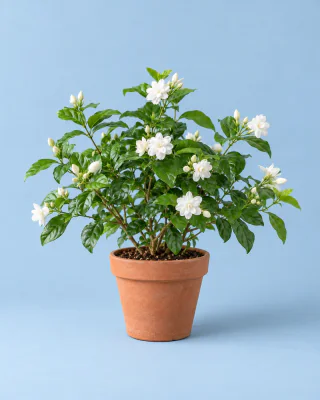
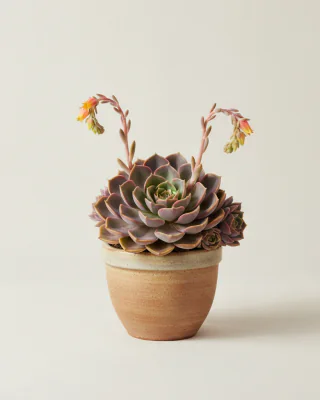
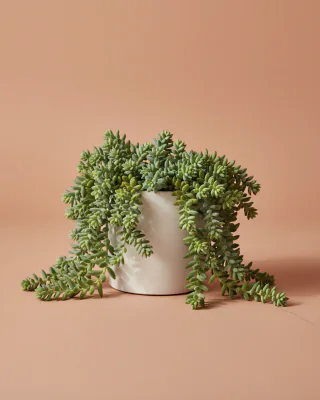
Pet-safe alternatives with similar light
Common questions
How often should I water a panda plant?
Water your panda plant (Kalanchoe tomentosa) when the top 5 cm (2 in) of soil feel dry. In summer, that’s typically every 11 to 17 days. In winter, slow down to every 22 to 34 days, sometimes less often.
How much light does a panda plant need?
Panda plant needs several hours of direct sun. Turn the pot every week so it grows evenly. Place it directly in front of a south- or southwest-facing window.
Is panda plant safe for cats and dogs?
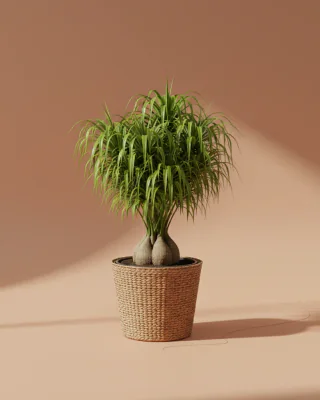
This plant can cause serious poisoning. Contact a vet promptly, even if your pet seems well. Keep panda plant out of reach of pets, or pick a non-toxic alternative like Arabian jasmine, Echeveria, donkey’s tail, or ponytail palm.
Why is my panda plant turning yellow or drooping?
Yellowing, drooping and brown tips can have several causes. Check the potting mix before adding water and follow this plant’s watering and rest instructions. If the mix is still wet, do not add more water. Check drainage and roots, then light, humidity, water quality and pests. Faded color or webbing alone does not show that the roots need water.
Sources
- This guide follows established plant-care guidance and official ASPCA pet-safety references. How we verify our plant data →
- How we check our plant advice
Last reviewed: