


Is polka dot plant toxic to cats and dogs?

Quick answer
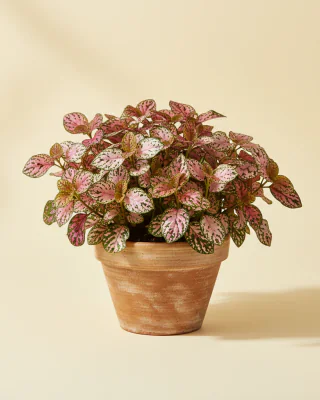
Good news: Polka dot plant is listed as non-toxic to cats and dogs by the ASPCA. You can keep it in a home with pets without worrying about accidental nibbling causing serious harm.
 Not sure it’s this plant?Check yours with a photo, free
Polka dot plant Hypoestes phyllostachya
ASPCA
Why it’s safe
The verdict comes from one place: the ASPCA’s list of non-toxic plants, checked by hand against this species rather than inferred from its family. The list is about poisoning, which is not the whole of what a plant can do to a pet. A cat or dog that eats a lot of any plant can still get an upset stomach.
Keep it out of reach not because it’s dangerous, but because soil and leaves can tempt curious pets who might dig or knock the pot over.
Pet-safety information in the JungleBook uses ASPCA reference data where available. It is reference information, not veterinary advice.
All polka dot plant guides
Related plants
ASPCA reference · Last reviewed: