



Is creeping fig toxic to cats and dogs?
Quick answer
Toxic to cats and dogs. Creeping fig contains proteolytic enzyme (ficin) and psoralen.

 Not sure it’s this plant?Check yours with a photo, free
Creeping fig Ficus pumila
What to do if your pet ate it
If you think your cat or dog ate any part of a creeping fig, act quickly. Do not wait for symptoms to appear.
- Remove the plant from the pet’s reach.
- Call your vet or an emergency animal clinic immediately.
- When you call, have the plant’s name or a photo ready. Tell the vet roughly how much your pet ate and when.
Do not induce vomiting unless a vet specifically instructs you to. It can make some poisonings worse.
Symptoms
In cats and dogs, chewing it or contact with the sap can cause:
- Irritation of the mouth and drooling
- Vomiting
- Diarrhea
- Skin irritation where the sap touched
Non-toxic plants for similar light
 Kentia palmHowea forsterianaBright, indirect lightPet-safe
 Money treePachira aquaticaBright, indirect lightPet-safe
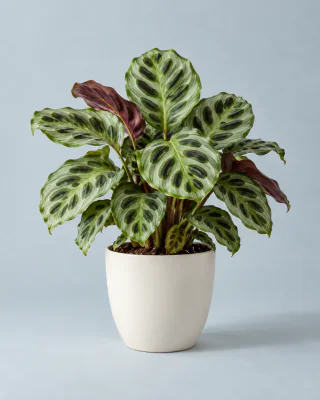 Peacock plantCalathea makoyanaBright, indirect lightPet-safe
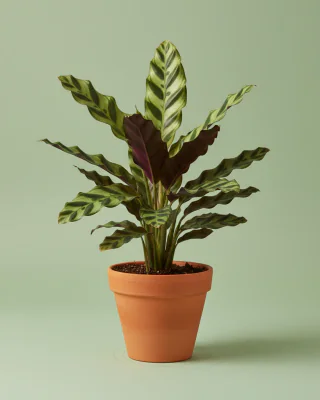 Rattlesnake plantCalathea lancifoliaBright, indirect lightPet-safe
See all pet-safe alternatives →
Pet-safety information in the JungleBook uses ASPCA reference data where available. It is reference information, not veterinary advice. The ASPCA Weeping Fig record names Ficus sp., an unspecified species. It does not name this species or explicitly cover every Ficus. We retain the toxic verdict as a precaution.
All creeping fig guides
Related plants

ASPCA reference · Last reviewed: