

Indoor tulip care guide
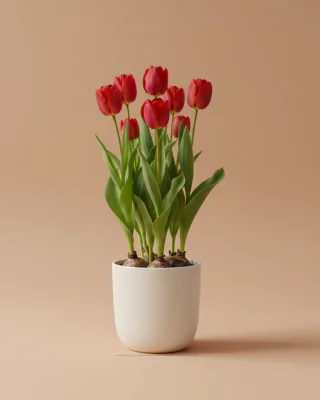
Tulipa hybrids
How to keep indoor tulip healthy at home: how much to water it, the light it needs, and how to catch common problems early.
 Not sure it’s this plant?Check yours with a photo, free
At a glance
- Light
- Bright light, some sun
- Typical interval
- Every 3 to 5 days
- Climate
- 15–20 °C (59–68 °F)
- Humidity
- 40–60%
- Pet safety
- Toxic to cats and dogs
When and how to water
2 cm (0.8 in)
- Every 3 to 5 days
Water your indoor tulip when the top 2 cm (0.8 in) of soil feel dry, typically every 3 to 5 days while it grows and flowers. Use room-temperature water and let any excess drain. Never leave the pot sitting in standing water.
Light and placement
Bright light, some sun
Indoor tulip needs bright light and a little gentle direct sun, such as morning sun. Strong midday sun can scorch the leaves. Place it close to an east- or west-facing window.
Feeding
A forced tulip grown as a short-lived display does not need feeding. If you are keeping the bulb, feed with soluble fertilizer after flowering only while the leaves remain green and growing. Stop as the leaves turn yellow.
Temperature & humidity
Climate15–20 °C (59–68 °F)
Humidity40–60%
Indoor tulip is comfortable between 15 and 20 °C (59–68 °F). It handles a cool room well, even in winter, as long as it stays above 0 °C (32 °F).
It does best at 40–60% humidity. It doesn’t need misting.
Toxic to pets?
Yes. Keep it out of reach.
Wear gloves when you cut or repot it. Keep the sap away from your eyes and skin, and wash your hands afterwards.
Pet-safety information in the JungleBook uses ASPCA reference data where available. It is reference information, not veterinary advice.
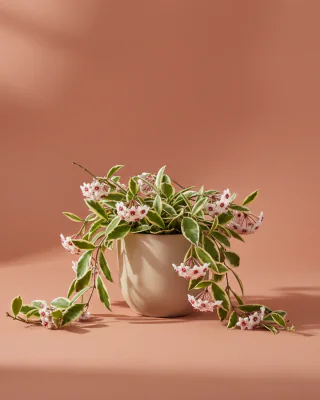
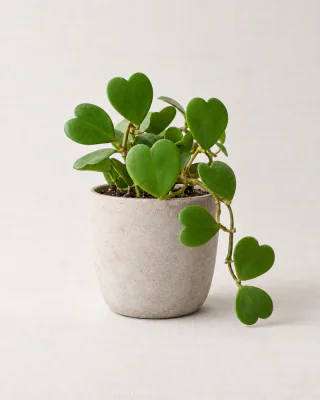
Pet-safe alternatives with similar light
Sources4 references
- Royal Botanic Gardens, Kew: Plants of the World OnlineTaxonomy · accepted genus · species count · native range
- Royal Horticultural SocietyContainer compost · watering · feeding · full sun · pests · tulip fire · bulb rot
- Iowa State University Extension and OutreachDrainage holes · commercial potting mix · planting depth · watering · cold treatment · darkness
- ASPCA Animal Poison ControlScientific name · toxicity · Tulipalin A/B · clinical signs · bulb concentration
Last reviewed: